
String Inverters for Utility Solar Projects in Saudi Arabia: Technical Deep Dive
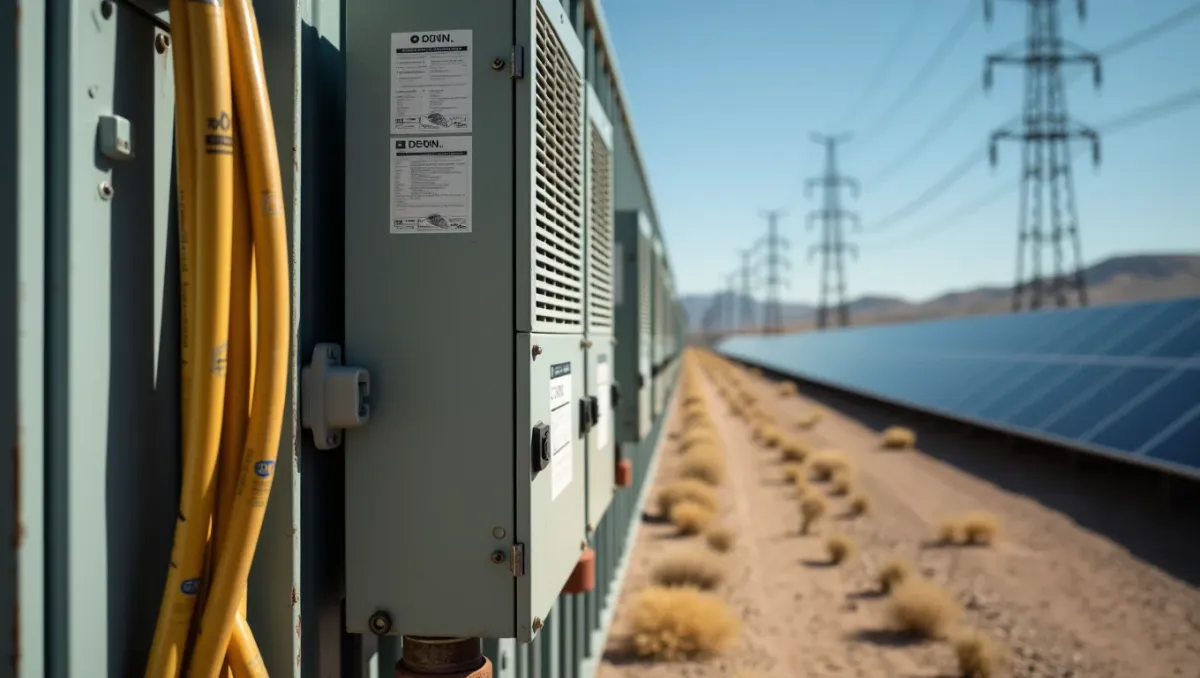
The national mandate towards energy self-sufficiency and achieving the goals of Vision 2030 requires highly efficient, resilient power conversion equipment. For large-scale commercial, industrial, and utility-grade solar photovoltaic (PV) arrays across major hubs like Riyadh, Jeddah, and the Eastern Province, the string inverter remains a foundational technology. It is not merely an electrical component; it is a critical interface managing the transformation of variable Direct Current (DC) energy generated by PV modules into stable Alternating Current (AC) power suitable for grid injection or facility consumption.
This analysis provides a rigorous technical examination of string inverter principles, optimization techniques, and specific selection criteria necessary for successful deployment within the demanding operational environment of Saudi Arabia (KSA).
Understanding String Inverters: DC/AC Conversion Principles
A string inverter functions by connecting multiple PV modules—typically arranged in series or parallel strings—to a single, centralized power conversion unit. Its primary role is to perform highly efficient and controlled DC-to-AC conversion.
Operational Principle
PV arrays generate variable DC voltage output based on solar irradiance and temperature. This raw DC power must be conditioned before it can interact with the stable three-phase AC grid (typically 400V or 380V in industrial settings). The inverter achieves this through a complex process involving Maximum Power Point Tracking (MPPT) and controlled pulse width modulation (PWM).
The conversion sequence is fundamentally three-fold:
- Input Stage: DC voltage from the PV array enters the unit. The inverter monitors the voltage and current characteristics of this raw input power.
- DC/DC Conversion (Boost/Buck): The internal circuitry manipulates the DC voltage level to an optimal intermediate DC bus voltage, which is then optimized for subsequent AC conversion efficiency.
- Inversion Stage: High-frequency switching devices (such as IGBTs or MOSFETs) rapidly switch the intermediate DC power through a transformer and output filter. By controlling the frequency and duty cycle of these switches, the inverter synthesizes a pure sinusoidal waveform matching the required grid voltage and frequency standard established by SEC.
Comparative Analysis: String vs. Micro/Central Inverters
Understanding string inverters requires comparing them against alternatives based on scale, complexity, and failure modes.
- String Inverters: Best suited for large arrays (multi-kW to MW range). They manage the entire array's output via a single point of conversion. Their efficiency is high because they minimize component count, making them ideal for utility integration projects like those planned in KAEC or Jubail. However, performance remains susceptible to shading or module mismatch across the longest string run.
- Central Inverters: Designed for massive utility-scale plants where multiple strings feed into one unit. They share similar core principles with string inverters but are optimized for handling extremely high power ratings (MW class) and complex grid synchronization requirements.
- Microinverters: Operate at the individual module level. Each PV panel has its own dedicated inverter, maximizing localized energy harvest and providing unparalleled resilience to partial shading or single-module failure. While superior in mitigating string degradation effects, they are often less cost-effective for massive utility integration compared to optimized string solutions.
Optimizing Solar Performance with MPPT Technology
The core technical differentiator of any modern inverter is its Maximum Power Point Tracking (MPPT) algorithm. This system ensures the array operates at its peak electrical efficiency, regardless of changing environmental conditions.
Principle of Operation
Every PV module has a unique optimal voltage and current point—its maximum power point (Pmax). Due to temperature variations, spectral content shifts (e.g., cloud cover), or partial shading, the actual operating point often deviates from Pmax. The MPPT function continuously measures the array's instantaneous Voltage (V) and Current (I). It then mathematically calculates the optimal load impedance required to draw maximum power from the source.
The fundamental relationship governing power output is P = V × I. The MPPT algorithm iteratively adjusts the DC bus voltage until the product of measured voltage and current is maximized, thereby ensuring minimal energy loss across the array's operational window. High-quality inverters maintain a very narrow tracking band (e.g., ±1% deviation from Pmax) under dynamic loading conditions.
Advanced MPPT Features for Utility Scale
For complex utility deployments, advanced string inverters incorporate multiple independent MPPT inputs. This allows the inverter to treat distinct sections of a large array as separate sources, significantly mitigating the impact of localized shading or differential degradation within the overall field. A high number of dedicated MPPT trackers (e.g., 6–12 separate tracking points per unit) is indicative of a sophisticated design capable of handling non-uniform irradiation fields common in vast desert installations.
KSA Market Requirements: Sizing, Efficiency, and Environmental Resilience
Deployment within the Gulf region requires specialized consideration beyond standard electrical calculations. The operational environment in KSA imposes severe physical constraints—specifically extreme ambient temperatures, intense solar irradiance (with average annual irradiation), and corrosive dust loading from haboob storms and saline coastal air.
Environmental Derating Factors for Desert Deployment
The most critical technical challenge is thermal management. Ambient air temperatures frequently exceed 40°C and can reach summer peaks of 50°C. Inverter efficiency drops significantly as the junction temperature of internal semiconductors increases. Manufacturers must provide accurate derating curves that account for these elevated operational extremes.
When selecting a unit, engineers must factor in the following technical considerations:
- Operating Temperature Range: The rated ambient operating range must safely exceed anticipated local peaks (e.g., -10°C to 55°C).
- Derating Coefficient: The inverter's nameplate capacity must be adjusted downwards using a thermal derating factor (ηthermal) when the expected average junction temperature exceeds standard testing conditions (25°C). This ensures sustained performance and prevents premature component failure in high heat environments.
- Dust Mitigation (Soiling Loss): High airborne particulate matter requires careful structural design and selection of units with ingress protection ratings (IP65 or higher) to prevent dust infiltration into cooling mechanisms, which directly compromises thermal efficiency and reliability during haboob storms.
Key Technical Specifications for KSA Selection
The following table summarizes critical technical parameters when evaluating string inverters for Saudi Arabian utility standards:
| Specification | Required Parameter Range (KSA Utility Grade) | Engineering Significance |
|---|---|---|
| MPPT Input Voltage Range | Minimum 150V DC – Maximum 1,000V DC | Must accommodate array string voltage fluctuations across varying module counts. |
| Max Continuous Output Power | Rated to Nameplate Capacity under Tambient ≤ 45°C | Ensures compliance with derated capacity calculations in extreme heat environments. |
| Efficiency (Peak) | >98.5% (DC to AC conversion efficiency) | Measures energy loss during the conversion process; critical for maximizing output from limited desert land. |
| Cooling Mechanism Rating | Passive or Forced Air Cooling, IP65+ rating | Guarantees sustained operation despite high ambient temperatures and dust accumulation. |
Sizing Methodology
Accurate sizing requires a comprehensive load flow analysis coordinated with the Saudi Electricity Company (SEC). The inverter's nameplate AC output capacity (kW) must be matched to the facility’s peak electrical demand while considering the total available DC input power (PDC). Engineers should consult local codes and perform detailed calculations to determine the optimal oversizing ratio of PAC / PDC, which is critical for maximizing utilization during peak irradiance hours, provided the facility load can accept the surplus AC power.
Grid Interconnection Standards and Compliance
Grid interconnection demands adherence to stringent safety standards and active compliance with national grid codes. Inverters are not merely converters; they are sophisticated synchronization devices that must maintain stable operation under varying utility conditions.
Safety, Power Quality, and Utility Codes
The inverter must incorporate robust protection circuitry, including anti-islanding protection (mandatory disconnection upon loss of grid power), overvoltage/undervoltage ride-through capabilities, and rapid fault detection. Compliance with local interconnection standards—managed by SEC—is non-negotiable. Furthermore, the unit must maintain high power quality, ensuring Total Harmonic Distortion (THD) remains below mandated limits (typically <3%).
Ancillary Services and Grid Stability
The national push towards energy resilience emphasizes the inverter's role in supporting grid stability. Advanced string inverters are increasingly equipped with features that allow them to provide ancillary services, such as reactive power support (Volt-VAR control). By controlling the phase relationship between active power (P) and reactive power (Q), the inverter can help maintain stable voltage levels across the transmission feeder, a critical function for maintaining grid integrity during peak load times or unexpected generation fluctuations.
Key Takeaways
- String inverters perform essential DC/AC conversion and are central to utility-scale energy independence strategies across KSA.
- MPPT technology is crucial; it maximizes power capture by continuously adjusting the operating point (P = V × I) despite environmental variability.
- Deployment in KSA mandates rigorous thermal derating calculations (due to high ambient temperatures, Tambient > 40°C) and IP rating considerations for dust ingress from haboob storms.
- Successful grid interconnection requires the inverter to provide superior power quality (low THD) and immediate anti-islanding protection compliant with SEC utility codes.
Related articles
- What is the Best Hybrid Solar Inverter? A Guide to Energy Resilience in KSA
- Designing for Resilience: Principles of Green Architecture in the Arabian Gulf
- LEED Certification for Engineers: Achieving Sustainable Design in the Gulf
- Mastering Green Building in Saudi Arabia for Energy Resilience
- Sustainable Building Saudi Arabia: A Strategic Playbook for Commercial Investment
Explore topics: Inverters, Solar Panels, Saudi Arabia, Utility Scale
The information in this article is for educational purposes only. Always verify specifications, availability, and suitability with a qualified supplier or engineer before making purchasing or installation decisions.



