
Solar Irrigation System For Allotment
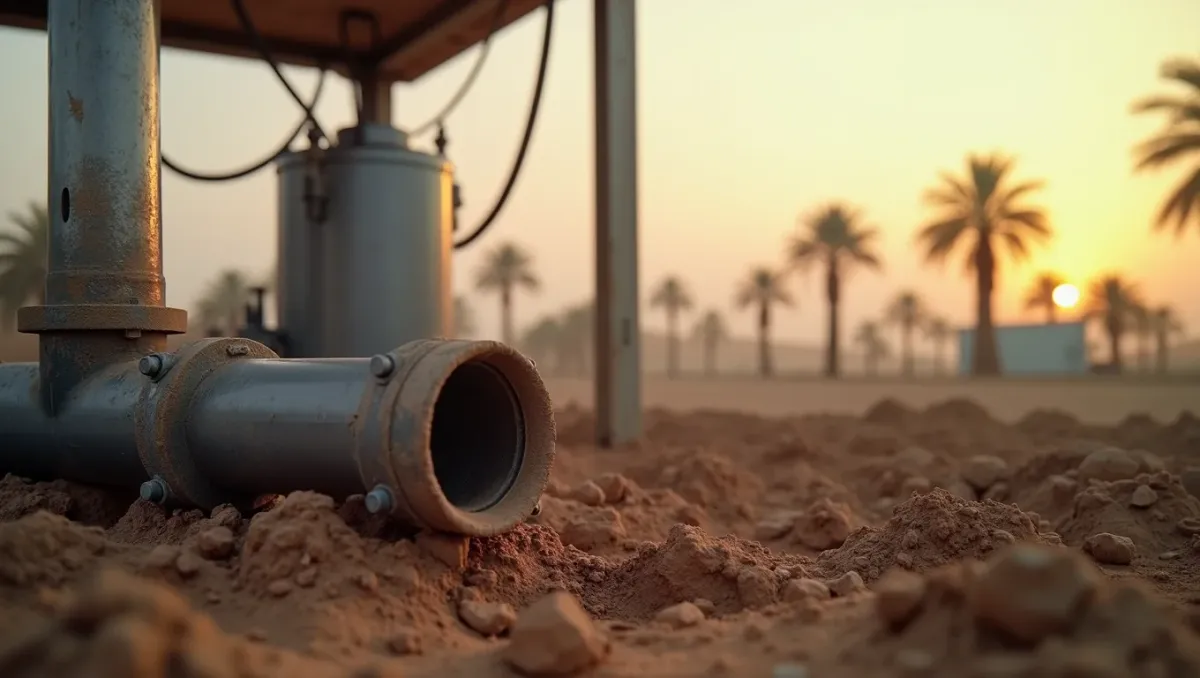
The Advantages of Solar Irrigation for Gulf Allotments
For many homeowners in the Arabian Gulf, an allotment—a small plot of land dedicated to growing fruits, vegetables, or ornamental plants—is a sanctuary of green amidst the desert landscape. However, maintaining these oases comes with a significant challenge: water management. In our region, extreme evaporation rates in countries like Saudi Arabia and the UAE mean that every drop of water must be used efficiently. Traditional methods often rely on heavy electricity consumption from the grid or noisy, polluting diesel generators to power pumps during the peak summer months.
This is where a solar irrigation system for allotment use transforms the experience. By harnessing the sun’s energy, you can move from a "manual" mindset to an "automated" one. Think of your solar setup as a silent, reliable gardener that works even when temperatures soar above 45°C. Instead of worrying about fuel logistics or rising electricity bills, you utilize the most abundant resource in our region: high-irradiance sunlight (averaging 5.5-6.5 kWh/m²/day in KSA).
Beyond just convenience, there is a profound shift toward sustainability. Just as the transition to electric vehicles reduces carbon footprints and noise pollution, moving to solar irrigation reduces your local environmental impact. By transitioning from diesel engines to photovoltaic (PV) power, you eliminate exhaust emissions on your land. Furthermore, because water scarcity is a critical concern across the GCC, many allotment owners are now looking at how solar-powered desalination or filtration can create a more resilient water source for their crops. This shift toward intelligent energy management ensures that your oasis remains a healthy environment for your plants and your family.
Off-Grid vs. Grid-Tied: Choosing the Right System for Your Land
One of the most common questions I receive from villa owners with nearby plots is whether they should connect their irrigation to the main grid or go completely off-grid. Understanding these two paths is crucial for your long-term goals.
A Grid-Tied System is connected to the local utility provider, such as the Saudi Electricity Company (SEC). In this setup, your solar panels generate electricity that can power your pumps and potentially feed excess energy back into the grid. This is often ideal if your allotment is located very close to your main residence or in a developed area like the Eastern Province or near urban centers where infrastructure already exists.
An Off-Grid System, often called a standalone system, operates independently of the municipal power grid. This is frequently the preferred choice for remote allotment plots in the desert or rural areas. Because these lands are often far from main roads or residential zones, running miles of heavy cabling to connect to a grid would be impractical and expensive. An off-grid system uses a Solar Pump Inverter—the "brain" of the operation that converts raw DC power from the panels into usable electricity for the pump—to run the system autonomously.
Choosing between these two is about geography and goals. If your allotment is a "backyard garden" near your villa, a grid-tied hybrid might work. But if your land is a true retreat in the dunes or a remote farm, an off-grid system provides complete independence. Whether you choose a grid-tied or off-grid setup, the goal remains the same: reliable water delivery for your crops regardless of location.
Key Components of a Robust Solar Irrigation Setup
Building a reliable system requires more than just placing panels on a stand. To ensure your irrigation works reliably during a scorching July afternoon, you need several integrated components working in harmony.
First are the PV Panels (Photovoltaic panels). These are the "harvesters" that catch the sunlight and turn it into Direct Current (DC) electricity. In our region, we prioritize high-efficiency panels designed to maintain performance even when ambient temperatures reach 50°C.
Next is the Solar Pump. This is the mechanical heart of your system. It moves water from a well, a borehole, or a storage tank to your irrigation lines. Unlike traditional pumps that might stall if power fluctuates, solar-specific pumps are designed to work in tandem with the sun's availability.
Then we have the Controller (or Pump Inverter). As mentioned earlier, this is the "translator." It takes the DC electricity from your panels and converts it into the specific type of power your pump needs. Modern smart controllers allow for fully automatic operation; you can program them to water your garden at dawn or dusk, removing the need for manual intervention.
Finally, Water Storage Tanks are a vital strategy for managing peak demand. Because solar panels produce the most energy during the day, but evaporation is highest in the afternoon, many owners use a "pump and store" method. You pump water into a large, shaded tank during the sunny hours, and then use gravity or a smaller secondary pump to distribute it to your crops. This ensures that even if a cloud passes over or you need to irrigate at night, the water is available.
Overcoming Environmental Challenges: Dust, Heat, and Maintenance
The Arabian Gulf presents unique challenges that we must account for during the design phase. We aren't just building a system for a temperate climate; we are building it to survive extreme heat and harsh desert conditions.
Heat Management: Extreme temperatures can cause standard electronics to overheat and fail. For your solar irrigation setup, it is vital to use "IP-rated" enclosures for the inverters. In our region, a high IP rating ensures that the internal components of your pump inverter stay cool and protected from the elements.
Dust and Soiling: Fine desert sand and dust can settle on panels, creating a "shading" effect that reduces their efficiency. To combat this, we recommend an easy-to-access mounting structure so that your irrigation system remains easy to maintain. A regular cleaning schedule ensures you are getting the maximum amount of energy from every ray of sun.
Corrosion and Humidity: Near the coast, salt in the air can corrode metal parts. Using high-quality, treated materials for your mounting structures and pump housings ensures that your investment lasts for decades rather than years. By choosing durable materials, you ensure a much better return on investment (ROI) compared to traditional systems that require frequent repairs due to environmental wear.
What This Means For You:
If you are looking to develop your allotment, switching to a solar-powered system means moving away from the "maintenance headache" of diesel and the "cost anxiety" of high electricity bills. It means having a system that works autonomously, allowing you to enjoy your garden without worrying about whether the pumps are running or if the fuel is running low. You gain reliability, peace of mind, and a sustainable way to grow your own food in the heart of the Gulf.
To get started on your journey toward a solar-powered allotment, follow these three steps:
- Assess Your Water Needs: Determine how much water your specific crops need per day and how far your source (well or tank) is from the planting area.
- Choose Your System Type: Decide if your land's location makes it more practical to go with a fully independent off-grid system or a grid-tied hybrid.
- Consult a Specialist: Work with an engineer who understands the specific challenges of the Arabian Gulf, including high heat and dust, to ensure your components are correctly rated for our environment.
Related articles
- Securing Tomorrow's Water: The Strategic Imperative of Renewable Desalination in the Gulf
- Achieving Energy Security: A Homeowner’s Guide to Choosing Solar Batteries in KSA
- best off-grid solar system for home
- Choosing the Best EV Charging App for Electrified Roads in the Arabian Gulf
- Decoding Your Drive: A Guide to Choosing the Best EV Charging Network in the Arabian Gulf
Explore topics: Solar Irrigation System For Allotment, Gulf, Renewable Energy
The information in this article is for educational purposes only. Always verify specifications, availability, and suitability with a qualified supplier or engineer before making purchasing or installation decisions.



