
NEOM Solar Project Saudi Arabia: Powering the Future of Sustainable Mega-Cities
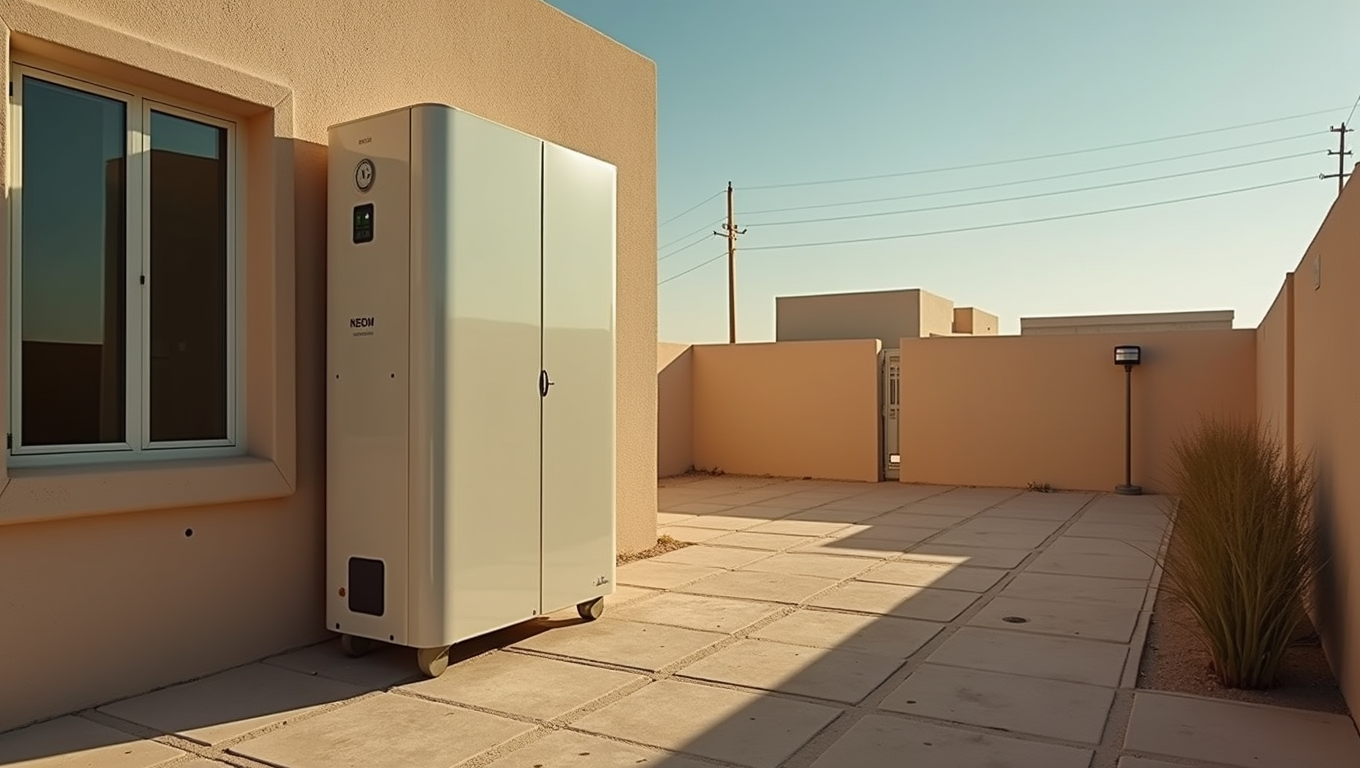
If you live anywhere from Riyadh to Jeddah, you know what it means to rely on the sun. We have some of the brightest sunshine globally—a resource that has powered everything from our daily lives in modern compounds to the growth of our great industrial cities. For decades, this brilliant energy source was primarily used for basic needs, but now, a massive and critical shift is happening across the Arabian Peninsula.
One of the most exciting examples of this change is NEOM. If you've heard whispers about "NEOM solar project Saudi Arabia," you are tapping into one of the biggest energy stories in global history. But what does it mean for us, here on the ground? It means understanding that renewable energy isn't just an alternative; it’s becoming the foundational engine for the next generation of living and industrial growth.
As a long-time advocate for solar power across our beautiful villas and rooftops, I believe everyone deserves to understand exactly where their power comes from. Today, we are going beyond simple panels on your roof to explore how mega-projects like NEOM are tackling energy security, building entire smart cities powered purely by the sun and wind.
Understanding Vision 2030: What is NEOM?
To understand the ambition of NEOM, you first have to understand its vision. It’s not just another city; it is a blueprint for how humanity might live in harmony with nature while embracing extreme futurism.
NEOM is part of Saudi Arabia's national strategy, embodying the core objectives of Vision 2030. If you remember the economic necessity of diversifying away from oil—a critical need that helps stabilize our economy and create new opportunities across hubs like Jubail or KAEC—NEOM perfectly embodies that spirit. It represents a pivot towards knowledge economies, advanced technology, and sustainable living.
Think of NEOM as an empty canvas upon which engineers, urban planners, and visionaries are painting the future. Unlike traditional mega-developments that often struggle with the fine desert sand challenges or the environmental impact of massive construction, NEOM is designed from scratch to be net-zero carbon. What does 'net-zero' mean? Simply put, it means that over its lifetime, the amount of greenhouse gases emitted by the city will be balanced out by the amount absorbed—usually through sustainable practices like planting vast green spaces or generating clean power.
For us in the Gulf, where climate change impacts are becoming more visible every year, this concept is profoundly important. It’s a monumental leap away from simply building bigger and relying on older energy models. Instead, it focuses on building smarter and cleaner infrastructure.
Utility-Scale Power: How Solar Energy Transforms Life in NEOM
The centerpiece of NEOM's operational plan is its deep commitment to renewable energy. When we talk about powering a city at this scale—one designed to house tens of thousands of people and operate massive industrial facilities—we are talking about utility-scale solar power generation.
If residential solar panels on our villas offer enough clean electricity for lights, air conditioning, and appliances, then NEOM is deploying vast solar farms. These aren't just a few arrays; they cover immense tracts of land, harnessing the incredible solar irradiance—the measure of solar energy available per unit area—that makes the Arabian Peninsula an ideal global location for this technology.
The goal here is total energy independence from fossil fuels. The sun shines reliably and powerfully on our rooftops and in our deserts; NEOM's plan is to capture that power with unparalleled efficiency.
Solar photovoltaic (PV) panels are the primary workhorses here. To explain this term: A PV panel works by utilizing semiconductor materials to convert sunlight directly into direct current (DC) electricity. This DC electricity is then passed through a component called an inverter—think of your solar inverter like the translator between your panels and your home — without it, all that energy the sun provides would simply have nowhere useful to go because most homes run on alternating current (AC). The scale at which NEOM plans to deploy this technology is unprecedented. It's not just about reducing our carbon footprint; it’s fundamentally redefining how power works in a modern Gulf setting.
Beyond Panels: Smart Grid Technology for Renewable Power Management
Simply placing thousands of solar panels on the ground, while brilliant in concept, presents a massive technical challenge. How do you manage that immense amount of power when the sun inevitably sets? This is where the smart grid comes into play.
A traditional electrical grid—the one that brought electricity to our compounds decades ago—is often like a single-lane road: power flows in one direction (from a large central power plant, through transformers, and out to your neighborhood). It’s robust, but it can be inflexible. A smart grid, however, is more like a multi-directional highway system.
A smart grid is an electrical network that uses two-way communication technology to manage energy resources. Because it's "smart," it constantly monitors supply and demand in real time. If the solar output dips slightly due to passing dust clouds or during intense haboob storms, the smart grid can instantly communicate with other sources—like massive battery storage facilities or even wind farms—and adjust power flow immediately. This seamless management is crucial for integrating huge amounts of variable renewable energy.
Another critical component that makes NEOM’s vision viable is large-scale energy storage, typically involving sophisticated batteries. These batteries act as giant reservoirs. When the sun shines intensely at noon, instead of just using all that power, a significant portion is stored in these massive banks (often lithium-ion or flow batteries). This saved energy can then be dispatched to keep the lights on late into the evening, ensuring continuous power supply even when the sky goes dark.
The synergy between high-efficiency solar PV panels, advanced battery storage, and a responsive smart grid is what allows NEOM to claim its net-zero status. It’s not just about generating clean energy; it's about managing that energy perfectly, 24 hours a day, every day.
KSA's National Strategy: The Ripple Effect of the NEOM Solar Project
When we look at the national level, NEOM serves as much more than an architectural marvel; it is a powerful declaration of Saudi Arabia’s economic and environmental intent. This mega-project validates the entire strategy of energy diversification.
For years, global economies relied heavily on oil. While that resource remains vital, any forward-thinking nation must prepare for a world where the primary source of power shifts. NEOM signals to the world—and critically, to its own citizens—that KSA is not just adapting to this shift; it is leading it.
The successful implementation of projects like NEOM strengthens what we call 'Energy Security.' Energy security isn't just about having *enough* oil or gas; it’s about having a diversified, resilient, and predictable source of power that can withstand global shocks. By betting heavily on solar and wind, KSA is building resilience into its core infrastructure.
Furthermore, this focus aligns perfectly with the broader Gulf push toward sustainable infrastructure. We are seeing a regional trend where nations realize that their greatest assets—besides people—are their natural resources, including unparalleled sunshine. NEOM helps establish a scalable model for other communities and industrial zones across the Arabian Gulf region to follow.
What This Means For Residential Solar Users
When discussing a project as vast as NEOM, it can feel distant or theoretical. But understanding this transition has very practical takeaways for us living in established cities across the Kingdom:
- Increased Focus on Clean Energy: The success of mega-projects like NEOM creates momentum and expertise that filters down to smaller scales. We will see more focus and incentives for decentralized power generation, meaning rooftop solar remains a highly viable investment for residential users in compounds.
- Demand for Smart Systems: As grids become smarter (more two-way communication), the technology becomes more reliable. Future home energy systems may integrate smart meters and local storage solutions to manage consumption better, potentially leveraging programs managed by SEC or similar authorities.
- Energy Resilience is Key: The priority shifts from simply *having* power to having *reliable*, clean, and diversified power. This benefits everyone who wants stability in their daily life—especially during those intense summer heat spells when air conditioning usage spikes.
Simple Steps You Can Take Today
The transition to a green economy is massive, but you don't have to wait for the mega-projects to reach your doorstep to participate. Here are three simple actions:
- Understand Your Usage: Review your past electricity bills and identify which appliances consume the most energy (e.g., AC units, water heaters). Understanding where your power goes is the first step toward optimizing consumption.
- Explore Rooftop Potential: Assess the available space on your own property or villa rooftop. Even small amounts of shaded area can be calculated to determine potential solar capacity and efficiency gains.
- Talk to Local Experts: Consult with qualified local engineers who specialize in renewable energy systems. They can provide site-specific assessments that factor in your unique environment, maximizing the use of available sunlight (solar irradiance) on your property.
Related articles
- Powering Tomorrow: Saudi Arabia’s Pivotal Shift to Renewable Energy
- The Utility Advantage: A Commercial Buyer’s Guide to Solar Farm Investments in Saudi Arabia
- Understanding the Giants: How Mega Solar Plants Are Powering Saudi Arabia’s Future
- Finding Your Path to Energy Independence: A Homeowner’s Guide to Selecting a Top Solar Installer in the Kingdom of Saudi Arabia
- LEED Certification Saudi Arabia: Optimizing Asset Value with Green Building Standards
Explore topics: Renewable Energy
The information in this article is for educational purposes only. Always verify specifications, availability, and suitability with a qualified supplier or engineer before making purchasing or installation decisions.



