
Finding Reliable EV Charger Installers Near Me: A Guide for the Arabian Gulf
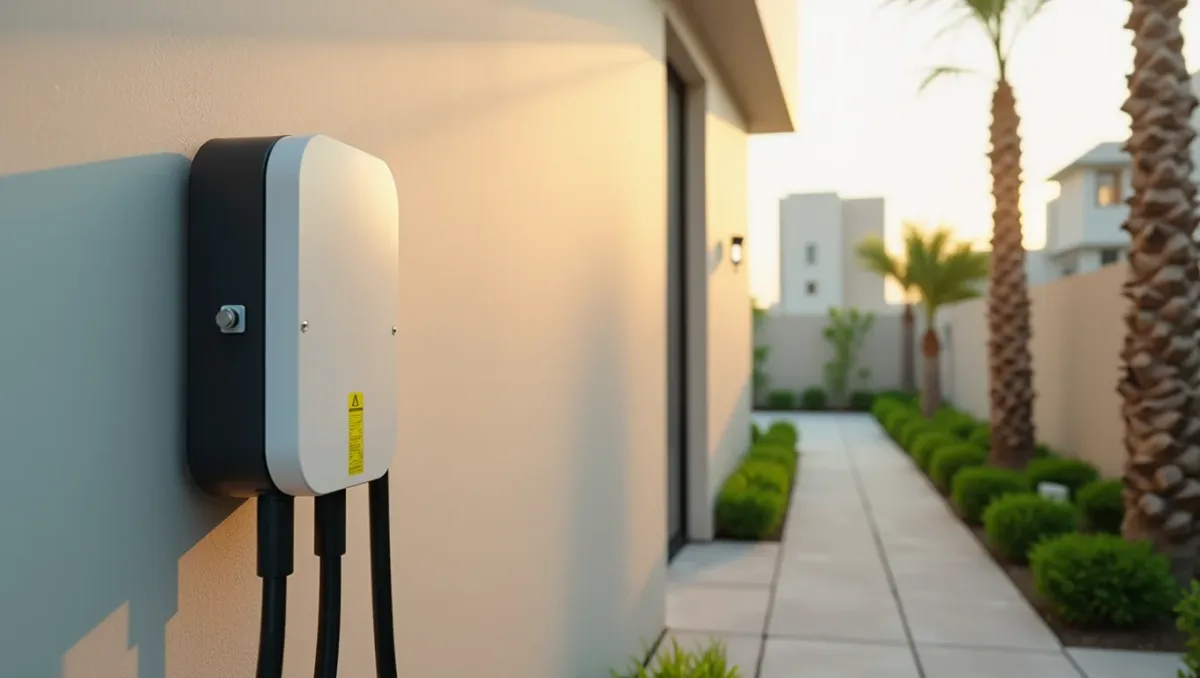
If you’ve been keeping an eye on electric vehicles (EVs), you're right to be excited. The shift towards electric mobility is not just a trend; it’s a crucial part of securing our energy future across the GCC region, from Riyadh to the UAE and beyond. For homeowners in mega-cities like Jeddah, Dubai, or Doha, knowing who provides trustworthy ev charger installers near me is the first step. While owning an EV means enjoying unparalleled convenience—and potentially saving significantly on high electricity bills—the critical part is reliable installation. This process can feel overwhelming when dealing with electrical jargon and local regulations.
Don't worry. We are here to help you understand every technical term, navigate the local rules set by authorities like SEC or SEWA, and connect you with the expertise needed to get you plugged into a reliable energy source right where you live. Choosing expert ev charger installers near me requires careful vetting, making this guide your ultimate resource.
Why Invest in Residential EV Charging: The Future of Mobility in the Arabian Gulf
For decades, car owners relied on gas stations, tying us to global oil markets. However, as sustainability goals accelerate across the Arabian Peninsula and national visions like Vision 2030 take hold, electric mobility is becoming the standard for modern living.
The beauty of EVs, especially when integrated with residential solar power, lies in their potential for energy independence. By charging at home, you minimize reliance on external grid electricity. As urban planning mandates more sustainable infrastructure across GCC countries, installing a reliable EV charger is not just an upgrade—it's an investment in modern energy resilience.
Learning how to install ev charger at home starts with understanding that you are building more than just a charging point; you are establishing a dependable link to clean power.
Decoding Charging Levels: Selecting the Right Power Solution
When evaluating options, remember that selecting the right charge level is vital. It’s not one size fits all. The speed of charging is measured in kilowatts (kW), and understanding these levels helps you communicate effectively with potential ev charger installers near me.
- Level 1 Charging: Slowest method, using a standard wall outlet. Suitable only for minimal emergencies.
- Level 2 Charging: This is the residential gold standard. Using dedicated wiring, it delivers enough power to fully replenish your battery overnight without excessive strain on your home's electrical system. For most Gulf homeowners, this provides the perfect balance of speed and safety.
- DC Fast Charging (Direct Current): Maximum power for quick top-ups. These are typically reserved for public or commercial lots due to their complexity and high infrastructure demands at a residence.
For the average homeowner looking how to install ev charger in their private villa, Level 2 is almost always the ideal choice. It keeps pace with the rapid adoption rate of EVs across mega-cities.
Vetting Your Installer: A Buyer's Checklist for KSA and GCC Service Providers
This is arguably the most critical section. Even the best Level 2 hardware requires highly specialized professional installation. When you are determining who will help you figure out how to install ev charger, treat the selection process with the same diligence as choosing solar panel vendors; quality and reliability matter immensely.
1. Mandatory Credentials and Local Licensing
Never hire just anyone. A reputable installer must possess local electrical licensing within the specific GCC country (KSA, UAE, or Qatar). They must be certified in EV charging installation protocols to ensure compliance with local building codes and safety standards.
2. Expertise in Gulf Climate Challenges
The extreme climate—high heat, salinity, and fine desert dust—demands specialized equipment. A professional installer must specify hardware rated for these harsh ambient temperatures (requiring appropriate IP ratings) and corrosion resistance to prevent premature failure.
3. Comprehensive Site Assessment Skills
A good contractor doesn't just quote a price; they assess your entire home’s electrical infrastructure, evaluating:
- Main Electrical Panel Capacity: Do you have enough available capacity for the sustained load of charging plus all other appliances?
- Wiring Gauge: Assessing the distance and thickness of copper wires to prevent voltage drop—a critical safety issue.
- Future Scalability Needs: A professional considers adding home battery storage or more EVs later, ensuring the electrical backbone is ready for growth.
The Installation Roadmap: From Permit Approval to Plug-In Readiness
Getting plugged in requires coordination between your home, local utilities, and the installer. Understanding this roadmap prevents costly delays.
Phase 1: Consultation and Site Assessment
A vetted professional visits your property, determines the required charging level (likely Level 2), and confirms that your existing infrastructure can support it.
Phase 2: Permits and Local Authority Approval
Before any wiring begins, necessary permits must be secured from local authorities. This ensures that when you charge your EV, the entire neighborhood grid remains safe and stable—a crucial consideration in densely populated Gulf mega-cities.
Phase 3: Procurement and Physical Installation
The electrician upgrades or adds dedicated wiring. Due to the harsh Gulf climate, all installed components must be robustly sealed against fine desert dust, moisture, and salt corrosion.
Phase 4: Commissioning and Testing
This final step is a rigorous testing phase where qualified engineers verify that the system operates safely under load. They confirm voltage levels and amperage draw to ensure optimal performance.
What This Means For You: Hiring Expert EV Charger Installers Near Me
Navigating this infrastructure is complex, but knowing what questions to ask transforms you into an informed energy decision-maker. When seeking ev charger installers near me, always prioritize credentials and local experience over the lowest initial quote.
Your goal should be a comprehensive system assessment that accounts for your current needs, future solar integration potential (like adding a home battery storage system in KSA), and compliance with all local GCC electrical codes. This is an investment in clean, reliable power at your doorstep.
Related articles
- Decoding Your Drive: A Guide to Choosing the Best EV Charging Network in the Arabian Gulf
- Finding the Best EV Charging Plans for Your Home in the GCC
- How to Buy an Electric Car: A Homeowner’s Guide in the Arabian Gulf
- Structuring Commercial EV Infrastructure: The Guide for Electric Vehicle Companies in the Arabian Gulf
- Choosing the Best EV Charging App for Electrified Roads in the Arabian Gulf
Explore topics: Ev Charging, Saudi Arabia, Gcc



