
Choosing the Best Solar Panels Gulf: A Homeowner's Guide for KSA Climate
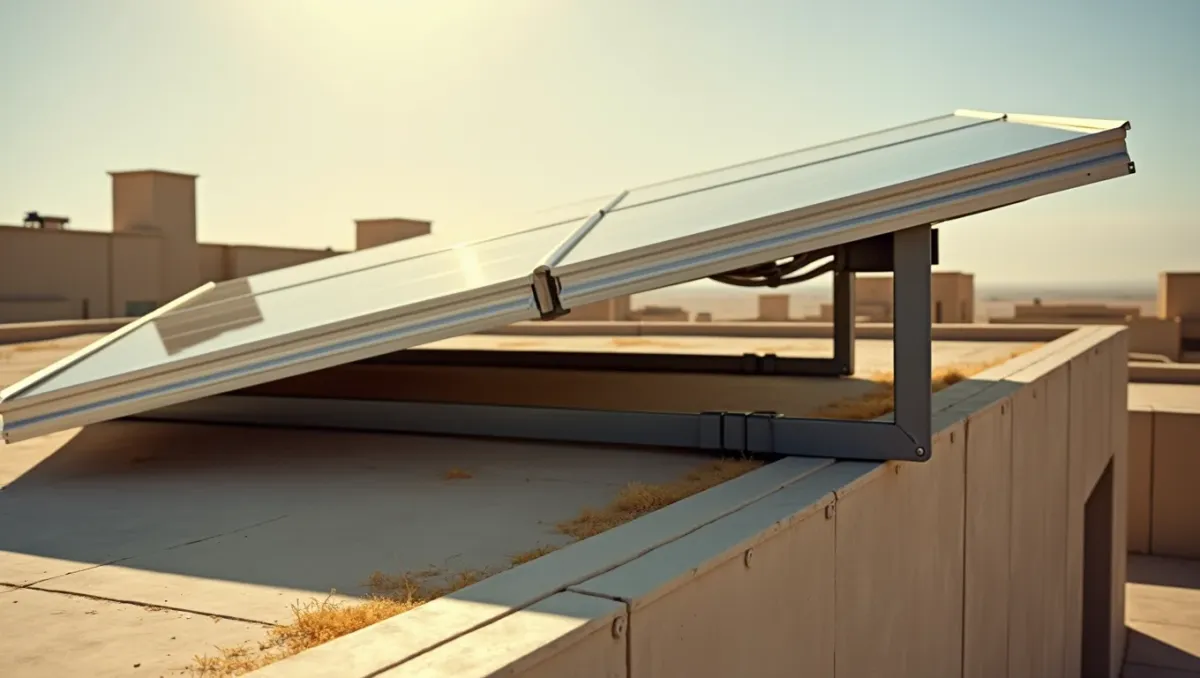
If you live across the Arabian Gulf, one thing is certain: the sun provides an incredible resource. Our Kingdom benefits from some of the highest solar irradiance levels on the planet—meaning the amount of sunlight hitting our roofs and land is exceptional.
This abundance of sunshine means that investing in solar energy isn't just a trend; it’s a smart, resilient move toward energy self-sufficiency. However, choosing the right component—the best solar panels Gulf options—can feel overwhelming. With so many options available, how do you know which panel is best suited for your specific villa or commercial compound? Do you need maximum efficiency to combat high temperatures and persistent dust?
Don't worry about the technical jargon. Think of me as your guide through this process. My goal is to demystify solar technology so that you understand exactly what you are investing in, ensuring that your system will perform optimally for decades, even under the intense heat and unique conditions of our Gulf environment.
Understanding Solar Panel Selection: Performance in the KSA Climate
When we talk about solar panels, most people think only of the shiny surface that catches sunlight. But a modern panel is much more complex than that. Its performance—how many kilowatt-hours (kWh) of usable energy it generates over its lifetime—is heavily influenced by local climate factors.
In temperate zones, a standard solar setup might work fine. But here in the KSA, we face unique challenges: ambient temperatures routinely exceeding 45°C and persistent dust accumulation from haboob storms and saline coastal air. These factors directly impact how much electricity your system actually produces, often leading homeowners to overestimate potential output if they ignore them.
The Heat Challenge (Temperature Coefficient)
This is perhaps the most critical factor for Gulf residents. Solar panels generate electricity by converting sunlight into direct current (DC) power. When temperatures rise—which happens daily during our intense summers, sometimes peaking near 50°C—the electrical efficiency of the panel can actually drop, causing a reduction in output.
Engineers use a measurement called the temperature coefficient to predict this performance decline. This is expressed as Pmax/°C (P-max per degree Celsius). If a panel has a temperature coefficient of -0.35%/°C, it means that for every one degree Celsius increase above the standard testing temperature, its maximum power output (Pmax) will decrease by 0.35%. The lower this negative percentage number is (i.e., closer to zero), the better the panel performs in extreme heat. A low negative coefficient is your friend when dealing with high ambient temperatures.
The Dust Challenge (Soiling and Irradiance)
Because we live in arid, dusty environments, a phenomenon known as soiling occurs. Soiling refers to the buildup of fine desert sand, salt spray from the Arabian Gulf coast, or industrial dust on the panel surface. Even a thin layer of accumulated dust can significantly block sunlight.
Think of it like trying to read an important document when someone keeps lightly covering the page with fine grit—the information is still there, but it’s obscured. The more frequent and severe the soiling, the more often your system needs professional cleaning to maintain peak output. When calculating energy potential for a home in Riyadh or Jeddah, we must account for this inevitable loss due to dust accumulation.
Mono vs. Poly vs. Thin Film: A Technical Comparison for KSA Buyers
When you look at solar panels, you will most often see two main types: Monocrystalline and Polycrystalline. Understanding the difference is key to understanding performance.
Monocrystalline Panels (Mono)
As the name suggests, these panels are made from a single, continuous crystal structure of silicon. Because the material is uniform, electrons can travel through it with very little resistance, resulting in higher efficiency and output per square meter (m²). They are often identifiable by their deep black color.
Polycrystalline Panels (Poly)
These panels, on the other hand, are made from multiple silicon crystals that are melted together. While they are generally more cost-effective to produce, the crystalline boundaries between the different sections can slightly impede electron flow compared to a perfectly uniform crystal structure.
Thin Film Panels
Thin film technology is an alternative approach where solar material is deposited in extremely thin layers onto various substrates. While these panels are excellent for curved or non-standard surfaces, they typically have a lower efficiency rate per panel size compared to modern mono panels, making them less common for large, flat rooftop installations like those found on compounds and industrial facilities.
Which is best for the KSA?
For maximizing output on limited roof space—whether it's a residential compound or a commercial district in Jubail—and dealing with the exceptional solar irradiance of our region, Monocrystalline technology generally offers superior efficiency rates. This means that if you have a fixed area, you can fit more power-generating capacity into that smaller footprint.
Beyond Efficiency: Key Criteria When Choosing Your Solar Panels (Temperature, Degradation, Warranty)
Efficiency is certainly important, but it’s only one piece of the puzzle. To make a truly informed decision that guarantees long-term energy resilience against harsh Gulf weather, you must look at three other technical criteria:
1. Performance Degradation Rate
All solar panels degrade over time; this is normal. However, some panels degrade faster than others. Manufacturers provide a performance warranty guarantee (e.g., 85% power output after 25 years). This percentage tells you how much of their original peak power they promise to retain at the end of that period.
When comparing panels, look for manufacturers with historically low degradation rates. A superior panel will maintain its efficiency better, ensuring your investment continues to pay dividends even after many years in harsh Gulf weather conditions.
2. Power Ratings (Wp) and Module Size
The power rating of a panel is measured in Watts peak (Wp). This number represents the maximum electrical output expected under Standard Test Conditions (STC)—a specific set of laboratory conditions. The module size refers to the physical dimensions of the panel.
It’s crucial to ensure that the total Wattage requirement (the Wp rating) matches your calculated energy needs, while also considering the available roof space and structural load-bearing capacity for mounting on villas or compounds. A system optimized for maximum power must be correctly sized relative to both your household's consumption profile and your physical structure.
3. The Importance of the System Ecosystem
Remember that solar panels do not work in isolation. Think of a high-quality solar system as a finely tuned orchestra. The panels are the violins, but you also need a quality inverter (the device that converts the DC power from your panels into alternating current, or AC, which powers your home appliances), and robust mounting structures designed for high wind loads.
Even the most efficient panel will perform poorly if paired with an outdated inverter or mounted on inadequate hardware. Selecting components across the board—panels, inverters, and mounts—from reputable sources ensures maximum overall system efficiency when interacting with local utility standards.
The Buyer's Checklist: How to Select the Right Panel for Your Home or Business in KSA
Selecting panels for the Kingdom of Saudi Arabia requires a slightly different mindset than choosing them elsewhere. You are not just buying energy generation; you are buying long-term resilience and reliability against extreme desert conditions.
1. Prioritize Local Climate Performance
When reviewing specifications, do not focus solely on peak efficiency under ideal lab conditions. Instead, prioritize panels that explicitly list a low negative temperature coefficient (Pmax/°C). This guarantees stability when the ambient temperature climbs during summer months.
2. Evaluate The Full Warranty Package
A great panel manufacturer offers more than just an equipment warranty. They should provide:
- Product/Equipment Warranty: Covers defects in materials and workmanship (usually 10-25 years).
- Performance Guarantee: The critical metric. This promises a minimum percentage of power output over the system's lifespan (e.g., guaranteeing at least 80% of original capacity after 25 years).
3. Consider System Longevity Over Initial Cost
While initial outlay is a consideration, viewing solar energy through the lens of lifetime value is more accurate. A slightly higher quality panel that minimizes degradation and handles high temperatures better will save you money and hassle over 25 years compared to a cheaper option that underperforms in extreme heat or suffers from accelerated soiling.
What This Means For You
As the homeowner or property manager, your goal is simple: maximum reliable power for minimum long-term risk. By focusing on panels with proven performance in high temperatures (low negative temperature coefficient), strong degradation guarantees, and a high efficiency rating (like monocrystalline types), you are ensuring that your energy investment will continue to function robustly, year after intense year, providing true energy independence right here in the Kingdom.
To take the next step toward maximizing your home's solar potential and securing reliable power for decades to come, focus on these three actionable steps:
- Conduct a Detailed Site Assessment: Before selecting any panel type, have a professional evaluate your specific roof structure. They must assess not only the available area (m²) but also the structural load-bearing capacity to ensure safe and optimal mounting on villas or compounds.
- Analyze Your Consumption Profile: Gather at least 12 months of electricity bills. This historical data allows engineers to accurately calculate your total required Wattage peak (Wp) needed, ensuring the system is sized perfectly for maximum return on investment from local utility standards.
- Request Comprehensive Technical Data Sheets: When receiving quotes, do not accept general descriptions. Always ask for the technical data sheets which list the temperature coefficient and the specific performance degradation guarantees to compare models accurately against Gulf climate standards.
Related articles
- Accurate Solar Sizing Calculator Gulf: Optimizing Commercial Energy Systems
- Choosing Reliable Solar Panel Suppliers in Saudi Arabia: A Homeowner’s Guide
- Decoding Your Drive: A Guide to Choosing the Best EV Charging Network in the Arabian Gulf
- Designing for Resilience: Principles of Green Architecture in the Arabian Gulf
- Electric Mobility in Saudi Arabia: A Homeowner’s Guide to EV Charger Installation and Solar Integration
Explore topics: Solar Panels, Gulf, Saudi Arabia, Rooftop Solar
The information in this article is for educational purposes only. Always verify specifications, availability, and suitability with a qualified supplier or engineer before making purchasing or installation decisions.



