
What is PV Installation? A Beginner's Guide to Harnessing Solar Power in the Arabian Gulf
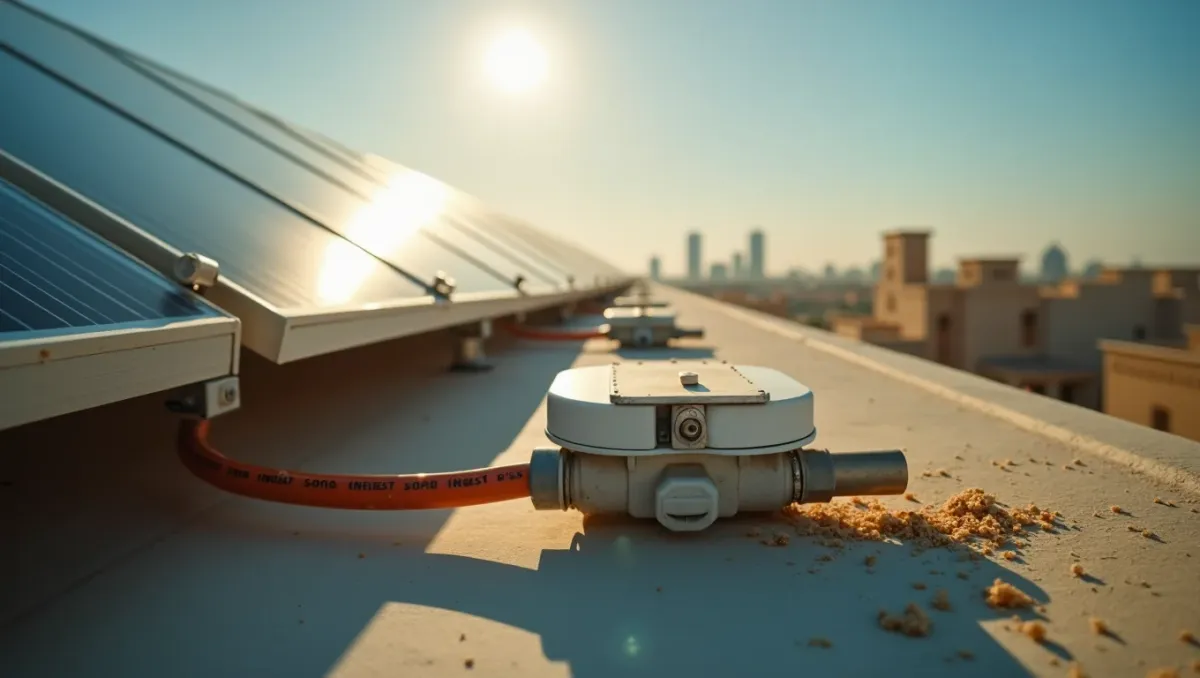
If you live across the Arabian Peninsula—in the modern compounds and sprawling villas of cities like Riyadh, Jeddah, or Dubai—you are surrounded by one of nature’s most powerful gifts: relentless, intense sunshine. Our unique location on the Arabian Gulf coast means we receive some of the highest levels of direct solar irradiation globally (averaging 5.5–6.5 kWh/m²/day in areas like the Eastern Province). This abundance of energy has sparked a revolution right here at home.
But for many homeowners, the process of going solar can feel complicated. Don't worry. We want everyone to understand exactly where their power comes from and how it gets into your compound safely and efficiently. This guide is designed specifically for you—the curious homeowner who wants to know what a PV installation involves, why it’s perfect for our demanding climate, and how straightforward the transition can be.
What Exactly is PV Installation? A Beginner's Definition
To start with the basics: what does "PV" even mean?
PV stands for Photovoltaic. The term describes the physical effect where certain semiconductor materials (like those in solar panels) can generate electricity when exposed to light. Photovoltaics, or PV cells, are the core component that captures the sun's energy and converts it into usable Direct Current (DC) electricity.
So, what is a "PV installation"? Simply put, it is the professional process of mounting solar panels—the PV modules—on your property (most commonly on your villa or compound rooftop), connecting them to specialized equipment, and integrating that captured energy into your home’s electrical system. It's not just about placing black rectangles on your roof; it’s a meticulously engineered energy solution.
Think of the sun as charging an invisible battery over hours. The PV installation is the sophisticated plumbing system that collects that charge and delivers it directly to your electrical outlets, helping you achieve true energy independence right here in our beautiful part of the Arabian Gulf region.
The 5-Step Journey: How a Solar System Gets Installed on Your Roof
A residential solar installation is not an instant weekend project. It is a carefully managed, multi-stage process that requires adherence to local regulations and structural integrity checks. We can break this complex journey down into five simple, manageable steps:
Step 1: Initial Site Assessment and Design
This educational phase begins with a qualified system designer visiting your property. They are analyzing more than just the roof; they assess its structural load capacity, its angle (which maximizes sun capture throughout the day), and your household’s current energy consumption patterns across all appliances.
The goal is to size the system perfectly. The designer must know if you need power for basic essentials or if you plan to run every appliance in your large compound. They use this data to create a detailed blueprint, specifying exactly how many panels and what type of supporting hardware are required.
Step 2: Permitting and Authority Approvals
Before any physical work can begin, the plans must be approved by local authorities (such as SEC or utility providers). This step is crucial because it ensures the system meets all safety codes and grid interconnection standards. As Saudi Arabia accelerates its Vision 2030 goals for sustainability, these approvals ensure your solar array interacts legally and safely with the existing national electrical grid infrastructure.
Step 3: Equipment Procurement and Preparation
Once permits are secured, the physical components—the panels, mounting racks, inverters, etc.—are ordered. Specialized hardware must be chosen to withstand our unique climate challenges. For instance, mounts must be engineered to resist extreme ambient temperature swings (from cool nights to 50°C+ summer peaks) and repel corrosion caused by fine desert sand or saline coastal air.
Step 4: Physical Installation (The Build Phase)
This is the main construction phase. Licensed installers first secure the robust mounting racking system onto your rooftop structure. These racks are designed to safely handle weight and optimal panel angle. Next, the PV modules are carefully mounted. Finally, the DC wiring runs from the panels down to the central electrical equipment.
This requires highly skilled labor who understand both structural engineering and modern electrical codes.
Step 5: Electrical Integration and Commissioning
The last step is arguably the most critical. The DC electricity generated by the panels must be converted into Alternating Current (AC) electricity—the type of power that runs your standard appliances in a compound. This conversion happens in the inverter.
A licensed electrician connects the inverter to both the solar wiring and your home’s main electrical panel (breaker box). The utility provider performs a final inspection and 'connects' the system to the grid. Once this commissioning process is complete, your solar power generation officially begins!
Understanding the Gear: The Core Components of a Solar Setup
A PV system looks simple—sun shining on panels—but it is an intricate machine composed of several specialized, interconnected parts. Understanding these components is key to understanding how your energy flows.
1. Solar Panels (PV Modules)
These are the visible star players. Each panel converts photons—the packets of light energy from the sun—and turns that energy directly into DC electricity.
Technical Note: Solar panels generate Direct Current (DC) power, which flows in a steady direction. Your house wiring and most appliances run on Alternating Current (AC). This is why we need the next piece of equipment!
2. Mounting Racking System
These are the metal frames and supports that attach the panels securely to your roof. Because our climate presents unique challenges, this racking system must be engineered specifically for maximum longevity. It needs to withstand high winds, intense heat cycles (day-to-night temperature swings), and resist corrosion caused by fine desert sand or coastal humidity.
3. The Inverter
This is the critical component. Think of your solar inverter as the translator between your panels and your home—it takes the raw DC electricity from the panels and converts it into usable AC electricity for your household appliances, making it compatible with standard usage.
4. Battery Storage (Optional but Highly Recommended)
A battery storage system acts like a massive, smart backup bank installed within your compound. While most systems are 'grid-tied,' adding batteries provides true energy resilience. Given the importance of reliable power for modern life in places like Jubail or KAEC, if there is an outage—especially during extreme heatwaves—your battery system can keep essential parts of your villa running, even after sunset.
This allows you to store excess solar power generated during peak midday hours for use at night or during grid interruptions.
5. Wiring and Disconnects
These are the necessary electrical conduits, safety switches, and wires. They ensure that the electricity travels safely from point A (the panels) to point B (the breaker box/inverter) without any risks of overload or short circuit.
Is Going Solar Right for Me? Key Benefits in the Arabian Gulf Region
Given the unique environmental and economic profile of the Arabian Gulf, going solar is not a luxury; it is becoming a foundational aspect of modern, smart living. Here are the key reasons why this technology aligns so perfectly with life on the Arabian Peninsula:
Superior Solar Resource Availability
The sheer resource available here is unparalleled. The intense and consistent solar irradiation means that your system will perform exceptionally well year-round, regardless of whether you are near Riyadh or along the coast. This high level of direct sunlight allows for maximum efficiency.
Energy Resilience and Independence
In a region where complex infrastructure can occasionally face disruptions (due to extreme weather or maintenance), having a local, self-generated power source gives unparalleled peace of mind. With solar plus battery storage, your compound becomes significantly less reliant on the centralized grid, ensuring critical systems stay operational.
Mitigating High Operating Costs
For many residents managing high electricity bills—especially those spikes that occur during our intense summer heat when AC usage is highest—the financial benefit of solar is profound. By offsetting a large percentage of your power consumption with free, clean energy, you stabilize and reduce the overall operating costs associated with running a modern villa or compound.
Environmental Leadership
By generating power locally from sunshine, you significantly reduce your household's carbon footprint. Adopting solar allows homeowners to participate directly in realizing national goals for sustainability and achieving net-zero emissions across the GCC region.
Ready to Take the Next Step?
Starting your solar journey doesn't require complex engineering knowledge; it requires three simple actions:
- Assess Your Usage: Start by gathering documentation of your current electricity usage (your monthly utility bills). This gives a system designer the most accurate data point to size your potential array correctly.
- Evaluate Your Roof/Property: Take an honest look at your rooftop structure, or assess suitable commercial space. Note any existing maintenance issues, shading from nearby compounds or large trees, and estimate its usable square footage (m2).
- Consult Local Experts: Speak with several licensed solar system designers who have specific experience installing systems in the Arabian Gulf region. They will provide tailored advice based on your specific compound's needs and local regulations, ensuring compliance with SEC standards and utility requirements.
Related articles
- Finding Your Path to Energy Independence: A Homeowner’s Guide to Selecting a Top Solar Installer in the Kingdom of Saudi Arabia
- Solar Power for Your Home: A Step-by-Step Guide to Installation in the Arabian Gulf
- What Is Solar PV Installation & Maintenance? Your Comprehensive Guide for the Arabian Gulf
- Your Comprehensive Guide to Off-Grid Solar System Design and Installation in Saudi Arabia
- Achieving Energy Security: A Homeowner’s Guide to Choosing Solar Batteries in KSA
Explore topics: Installation, Gulf, Renewable Energy
The information in this article is for educational purposes only. Always verify specifications, availability, and suitability with a qualified supplier or engineer before making purchasing or installation decisions.



