
Keeping the Sun's Power Flowing: A Guide to Solar System Maintenance in KSA Compounds
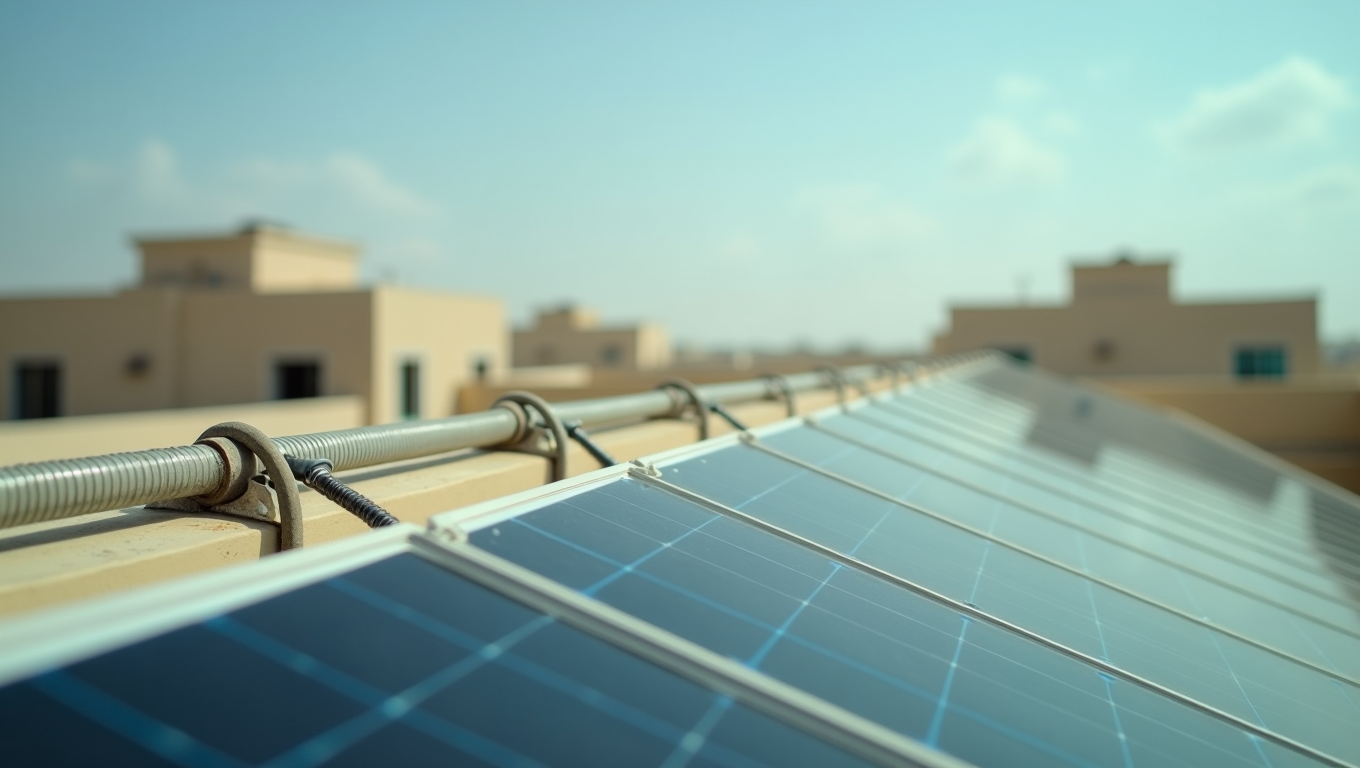
For homeowners across Saudi Arabia’s sprawling compounds and villas, solar power represents more than just a clean alternative; it embodies energy independence and resilience. You have invested in harnessing the incredible energy provided by our sun—a vital step toward national energy security and ensuring your property remains powered through any season.
However, like any sophisticated electromechanical system working hard under extreme conditions, solar power requires careful maintenance. Think of maintaining your solar setup not as an expense, but as critical insurance for your investment. Just as you wouldn't ignore the annual check-up on a vehicle before traversing the desert roads between Riyadh and Jeddah, ignoring routine upkeep can lead to significant performance drops and potentially costly failures.
This guide is designed to empower you—the homeowner—with local knowledge. We will walk through exactly what needs attention, why it matters in our specific Arabian environment, and how you ensure your system continues to deliver peak power for decades to come.
Why Solar System Maintenance is Non-Negotiable for Peak Performance
When we talk about solar energy, we are discussing a complex electromechanical process. Your panels capture light (photons) and convert it into direct current (DC) electricity. This DC power then moves through an inverter, converting it into alternating current (AC)—the type of power your home appliances use.
Routine maintenance is critical because system efficiency degrades over time due to severe environmental factors and component wear. In our unique Gulf climate, several stressors pile up:
- Extreme Dust Accumulation (Soiling): The fine desert sand and seasonal haboob storms constantly deposit particulate matter. This dust acts like a physical blanket, significantly reducing the amount of usable sunlight reaching your panels—a phenomenon known as soiling.
- High Ambient Temperatures: KSA's intense heat puts immense thermal stress on all electrical components, particularly inverters and wiring. Components degrade faster when operating outside their optimal temperature range.
- Salinity (Coastal Areas): In coastal cities like Jeddah or Dammam, airborne salts from the Arabian Gulf can build up over time, requiring specialized cleaning to prevent corrosive damage to connections and frames.
If maintenance is neglected, these factors cause a measurable drop in your system's output—sometimes drastically. This reduction directly impacts your Return on Investment (ROI). By committing to proactive care, you are maximizing energy resilience, which aligns perfectly with national goals supporting sustainable industrial growth and Vision 2030.
DIY Deep Clean: How to Safely and Effectively Clean Your Panels from Desert Dust
The most visible maintenance is cleaning, but how you approach it in a desert environment makes all the difference. Simply rinsing them isn't enough; you need techniques that lift ingrained fine sand without scratching the surface.
Safety First: Preparation Steps
Before any cleaning begins, safety is paramount. Always ensure the system is completely powered down. This requires using a Lockout/Tagout procedure. This physically disconnects all electrical sources (by turning off breakers and placing visible tags) to guarantee that no power can accidentally flow back into your panels or associated wiring while you are working. Never bypass this safety step.
The Cleaning Process
- Preparation: Wait for a cool day—ideally early morning when the dust has settled but before the intense midday heat hits.
- Initial Rinse (Gentle): Use a garden hose with low pressure to rinse off loose, dry surface dust and sand. Do not use high-pressure washers, as the force can dislodge fine grime into seams or damage seals.
- The Wash: Mix mild, non-abrasive soap and warm water. Apply this mixture gently using a soft brush or sponge designed for solar panels. The goal is to lift accumulated desert dust without causing micro-abrasion (tiny scratches that weaken the panel's surface coating over time).
- The Rinse: Repeat the gentle rinse with clean water until all soap residue is gone. Any remaining soap can actually impede energy flow and reduce efficiency.
A Note on Dust Mitigation: Because of our fine, abrasive desert dust, it is helpful to keep a container of mild cleaning solution and soft cloths nearby. If you see heavily caked areas (perhaps near drainage points or seams), treat those specific spots with extra care. The goal is always gentle removal.
Beyond the Surface: Annual Electrical Checks for Inverters and Wiring
If cleaning keeps your panels physically effective, checking the electrical components ensures they are functionally sound. This area requires specialized knowledge, but understanding what gets checked empowers you when speaking with a professional.
Focus Area 1: The Inverter
The inverter is perhaps the most critical component after the panels themselves. Think of it as the translator between your panels and your home—without it, all that energy provided by the sun would have nowhere useful to go. It performs a complex job of converting DC power (from the panels) into usable AC power.
During an annual check, professionals examine:
- Thermal Performance: Because high ambient temperatures in KSA put significant stress on electronics, they check for signs of overheating. They monitor the inverter's internal temperature gauges to ensure it is dissipating heat efficiently and operating safely within local guidelines.
- Software and Output Monitoring: They confirm that the monitoring system (the digital interface you use to track your energy) is receiving accurate data, ensuring maximum harvest from our high solar resource potential.
Focus Area 2: Wiring and Connections
The wiring, or electrical conduit, transmits power from the panels through the junction boxes down to the inverter. Over time, these cables can degrade due to UV exposure (sunlight) and heat cycles.
- Visual Inspection: Professionals look for signs of physical damage—cracks in the protective conduits or discoloration on the wiring itself.
- Connection Integrity: They check all junction points and connection terminals. Loose connections are a major cause of energy loss and can create fire hazards, as resistance generates extra heat. A tight, secure connection is vital for efficiency and safety in your compound.
When to Call a Professional: Understanding Full Scope Maintenance Packages Across KSA
While cleaning panels yourself is manageable, the electrical inspections require specialized tools (like multimeters and thermal cameras) and certifications that homeowners do not possess. This is where professional maintenance packages come into play.
DIY vs. Professional Service
| Task | Who Should Do It? | Why? |
|---|---|---|
| Surface Cleaning (Dust/Dirt) | Homeowner (DIY) | Low risk, requires mild soap and gentle pressure. |
| Thermal Checks & Output Testing | Certified Professional | Requires specialized tools to measure heat dissipation and electrical resistance accurately against local standards. |
| Electrical Component Inspection (Inverter/Wiring) | Certified Professional | Safety hazard; requires knowledge of lockout/tagout procedures and diagnosing complex faults related to high voltage systems. |
A full scope maintenance package ensures that every facet—from the physical panel surface to the deepest electronic connections—is addressed. This comprehensive approach is key to maximizing your system’s performance guarantees, contributing directly to your household's energy resilience and supporting national goals like Vision 2030.
What This Means For You
Understanding solar maintenance is about shifting from a reactive mindset ("My power dropped, I need fixing!") to a proactive one ("I checked my system, and it's running optimally!").
- Extend Lifespan: Regular care minimizes wear and tear, ensuring your investment performs closer to its original design specifications for years longer.
- Maximize Savings: Every watt you save through efficient maintenance is money kept in your pocket—especially crucial when balancing high electricity bills or optimizing net metering with utility programs.
- Ensure Safety: Professional checks prevent dangerous electrical faults from developing into serious hazards within your home or property.
Taking care of your solar system is a partnership between you and the technology. By following these guidelines, you ensure that the amazing resource provided by our sun continues to power your life safely and efficiently for decades.
Start Your Maintenance Journey Today
- Schedule Seasonal Visual Checks: Twice a year (e.g., after heavy dust seasons or during saline periods), perform a gentle, low-pressure rinse of your panels using non-abrasive soap to remove surface grime.
- Monitor Performance Data: Get into the habit of logging into your system’s monitoring portal and noting any unusual drops in expected output or unexpected error codes displayed by the inverter.
- Plan Your Annual Professional Inspection: Commit to having a qualified technician perform a full scope electrical inspection every 12–18 months, focusing specifically on thermal checks of the inverter and wiring integrity using specialized local protocols.
Related articles
- A Homeowner’s Guide to Solar System Installation in Saudi Arabia: solar system installation Saudi Arabia
- Finding Your Path to Energy Independence: A Homeowner’s Guide to Selecting a Top Solar Installer in the Kingdom of Saudi Arabia
- Solar Installation for Home: A Guide to Residential Solar in the Gulf
- Solar Panel Cleaning Guide Gulf: Maximizing Your Home Energy Output
- Solar Panel Installation in Saudi Arabia: A Comprehensive Guide
Explore topics: Renewable Energy
The information in this article is for educational purposes only. Always verify specifications, availability, and suitability with a qualified supplier or engineer before making purchasing or installation decisions.



