
Solar Panel Cleaning Guide Gulf: Maximizing Your Home Energy Output
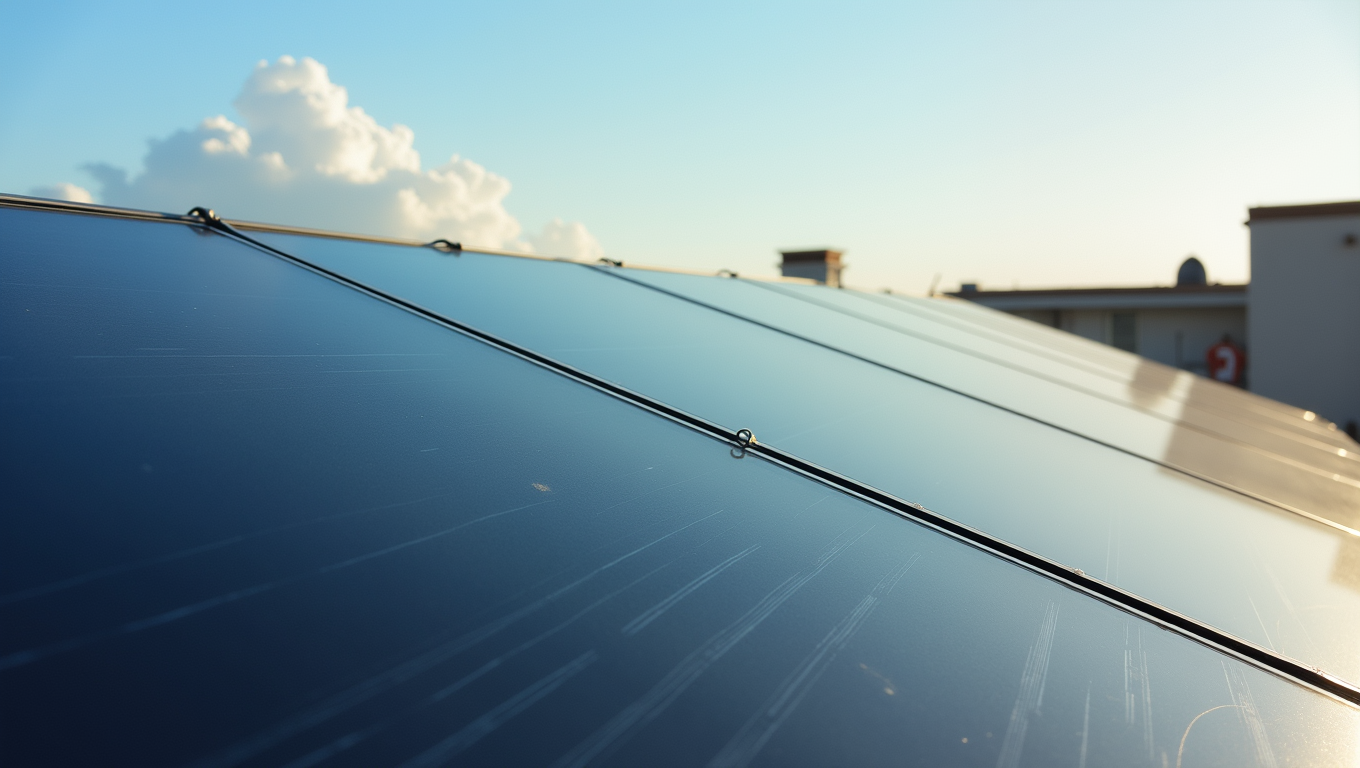
Welcome! If you own solar panels on your roof, you are already taking a huge step toward energy independence and protecting your wallet from those soaring electricity bills. You've harnessed the incredible power of our sun—a true resource here across Riyadh, Jeddah, and the Eastern Province.
But owning solar isn't just about installation; it’s also about maintenance. Over time, invisible enemies settle onto your panels—dust, salt residue, and fine desert grime. If left unchecked, these particles act like a persistent veil, slowly dimming the energy output of your system. Just as an air conditioner struggles to keep up in the intense heat if its coils are dirty, your solar panels struggle when they are covered in accumulated dirt. Following this comprehensive solar panel cleaning guide for the Gulf is crucial.
Our goal today is simple: To ensure you feel confident and empowered enough to keep your beautiful solar investment running at peak performance. We will walk through everything from understanding the dust itself, to safe cleaning techniques, all designed specifically for life on our residential compounds and villas.
Why Solar Panels in the Gulf Need More Than Just Rain: Understanding Soiling
When people think about keeping things clean in a desert environment like the Arabian Peninsula, they often think of rain. While a heavy downpour certainly helps wash away surface dust, relying solely on nature is simply not enough when it comes to maximizing your solar output.
What Exactly is Soiling?
In the context of solar energy, soiling refers to the gradual accumulation of foreign materials—dust, pollen, salt spray, bird droppings, and atmospheric pollutants—on the surface of your photovoltaic (PV) panels. Think of it like a film settling over glass; it reduces how much light can actually pass through to the cells underneath.
The sheer intensity and unique composition of dust in our Gulf regions make soiling particularly aggressive. It's not just common dirt; it’s often fine, abrasive desert sand mixed with salt residue from coastal air or industrial sources found near Jubail or KAEC. This combination accelerates panel degradation—the slow reduction in the panel's ability to generate power over time.
The Impact of Gulf Dust and Salt
Unlike temperate climates where dust might be organic, here we deal with mineral particulate matter. The high ambient temperatures (frequently exceeding 45°C) and frequent desert winds lift these fine particles, which then settle into tiny pockets on the panel surface. This buildup is problematic for two main reasons:
- Shading Effect: Even a thin layer of dust can block direct sunlight from hitting specific areas of the glass. Because solar energy generation relies entirely on uninterrupted photons (particles of light), any blockage translates directly into lost power, impacting your connection to the local power supply.
- Abrasion and Conductivity: As the wind moves, these abrasive particles can scratch or dull the surface over time. Furthermore, salt residue can sometimes leave a slightly conductive layer that interferes with the natural electrical flow across the panel's Photovoltaic (PV) glass—the specialized glass coating designed to capture light and convert it into electricity for your home.
Establishing a Proper Cleaning Rhythm
Since we cannot rely on predictable weather patterns, homeowners must establish a proactive cleaning schedule. This schedule should be based less on calendar dates and more on observing local climate severity:
- High Dust Indices: If you notice sustained periods of high winds or haboob storms, plan for immediate manual cleaning.
- Salt Exposure: Properties near the coastlines or in industrial zones require monitoring after prolonged periods of calm, salty air buildup.
- Usage Monitoring: If your system's performance seems to dip unexpectedly—especially when comparing meter readings against peak sun hours—soiling should be the first suspect before calling a professional.
The Safety Checklist: Preparing for Your Solar Panel Cleaning Session (Tools & Gear)
Safety must always come first when dealing with high-voltage electrical systems. Because solar panels are essentially giant power generators sitting on your roof, treating them requires the same respect you give to any complex home appliance.
Essential Safety Steps Before You Begin
- Power Down Completely: This is non-negotiable. Always ensure that the system's main disconnect switch and the inverter (the crucial electronic box that converts the DC power from your panels into usable AC power for your home) are switched off at the primary circuit breaker location.
- Assess Access: Ensure you have safe, stable access to the roof of your compound. Never attempt cleaning in high winds or during thunderstorms. If you feel unsteady, postpone the task until conditions improve.
- Personal Protective Equipment (PPE): Always wear appropriate gear. This includes safety glasses, durable gloves, and non-slip footwear.
Recommended Cleaning Toolkit
When gathering your supplies, remember that gentle is better than aggressive. The goal is to lift the dust without damaging the delicate seals or the anti-reflective coating of the panels.
- Water Source: Focus on conservation! Using a bucket system and microfiber cloths for initial rinsing is far more efficient than running continuous hoses.
- Cleaning Solution: Use only mild, pH-neutral soap solutions specifically designed for PV glass. These are formulated to lift grime without stripping the protective coatings or reacting poorly with high ambient temperatures (50°C peaks).
- Brushes/Wipers: Opt for soft-bristle brushes (like those used for delicate indoor cleaning) or specialized squeegees. Absolutely avoid stiff wire brushes, scrub pads, or any abrasive materials that could scratch the glass surface.
Step-by-Step Guide: DIY Panel Cleaning Without Damaging Components
Once you are safe and your system is powered down, you can approach the cleaning process methodically. Remember, we are treating this like a careful deep clean of any valuable piece of equipment.
Phase 1: The Dry Sweep (Pre-Rinse)
Before introducing water, use soft brushes or gentle vacuum attachments to remove loose, dry dust and sand. This prevents the abrasive materials from being mixed with your cleaning solution, which could cause unnecessary wear.
Phase 2: The Wet Clean (Solution Application)
Mix your approved, mild, pH-neutral soap solution according to instructions. Using a bucket system, gently apply the solution across the surface of the panels using a soft cloth or sponge. Focus on breaking down the salt and grime bonds.
Phase 3: The Gentle Scrub (Dirt Removal)
Using your soft-bristle brush, gently scrub in wide, overlapping motions. Do not apply excessive pressure. You are guiding the dirt away, not scrubbing it off with force. This gentle action allows the soapy water to encapsulate and lift the grime.
Phase 4: The Rinse (Water Conservation Focus)
This is where water conservation techniques shine. Instead of a continuous spray, use low-pressure rinse methods—such as filtered buckets or misting attachments—to wash away all soap residue and loosened dirt. A clean rinse ensures that no mineral deposits are left behind to dry and crystallize.
The Efficiency Boost: What Did We Achieve?
A thorough cleaning is not just cosmetic; it’s a direct investment in power output. Cleaning helps restore the panel's ability to capture light, allowing it to perform closer to its optimal theoretical performance.
What This Means For You
Understanding soiling means understanding that your solar investment requires routine care. By dedicating a few hours every few months (depending on local dust levels), you are preventing slow, continuous power degradation. Think of the maintenance time as a small preventative measure protecting thousands of Saudi Riyals in energy savings.
When to Call the Pros: Professional vs. Homeowner Maintenance Decisions
While DIY cleaning is manageable and rewarding for residential systems, there are critical situations where calling a qualified professional isn't just recommended—it’s mandatory. Professionals have specialized equipment and knowledge that homeowners do not.
Situations Requiring Expert Hands
- Commercial or Utility-Scale Systems: These systems often involve complex wiring, multiple interconnected arrays, and high voltages that require certified handling protocols to prevent electrocution or system damage.
- System Tilt Angle Issues: If your panel array is installed at a non-standard angle (a specific tilt angle designed for optimal light capture), cleaning personnel must understand the proper water runoff dynamics to ensure grime doesn't accumulate in hard-to-reach areas, which can cause localized hot spots.
- Deeply Embedded Soiling: If dust and salt have bonded with oils or mineral deposits (like bird droppings) deep within the panel seals, they may require specialized chemical solvents that are too strong or complex for homeowner use.
Understanding Professional Cleaning Scope
A professional service doesn't just rinse; they conduct a full system audit. They check:
- Connections: Ensuring all junction boxes and wiring seals remain intact after cleaning.
- Performance Metrics: Using diagnostic tools to measure the actual output of your inverter against its expected performance, pinpointing if the issue is soiling or an underlying component failure.
- Structural Integrity: Checking mounts and rails for any signs of corrosion accelerated by salt build-up.
What This Means For You
Use your personal knowledge to handle routine, visible dust buildup on residential arrays within your compound. However, if you ever feel uncertain about the electrical components, or if the system is large enough that a minor mistake could cause major damage, do not hesitate. When in doubt, call an expert. Their expertise ensures maximum energy security for your home.
Three Simple Steps You Can Take Today
- Conduct a Visual Audit: Spend five minutes observing your panels under peak sunlight. If you see noticeable patches or streaks that appear duller than the surrounding glass, make a note to schedule cleaning for those specific areas.
- Review Your Safety Gear: Gather and check your soft brushes, mild soap solution, and PPE (gloves/glasses). Having your supplies ready makes the actual task less daunting.
- Establish a Dust Tracker: Create a simple calendar reminder tied to local weather patterns—for instance, "Clean after any period of three consecutive days with high wind warnings." Consistency is key to maintaining peak performance.
Related articles
- A Homeowner’s Guide to Solar System Installation in Saudi Arabia: solar system installation Saudi Arabia
- Finding Your Path to Energy Independence: A Homeowner’s Guide to Selecting a Top Solar Installer in the Kingdom of Saudi Arabia
- Keeping the Sun's Power Flowing: A Guide to Solar System Maintenance in KSA Compounds
- Solar Installation for Home: A Guide to Residential Solar in the Gulf
- Solar Panel Installation in Saudi Arabia: A Comprehensive Guide
Explore topics: Renewable Energy
The information in this article is for educational purposes only. Always verify specifications, availability, and suitability with a qualified supplier or engineer before making purchasing or installation decisions.



