
Understanding Net Metering in Saudi Arabia: Your Guide to Solar Power at Home
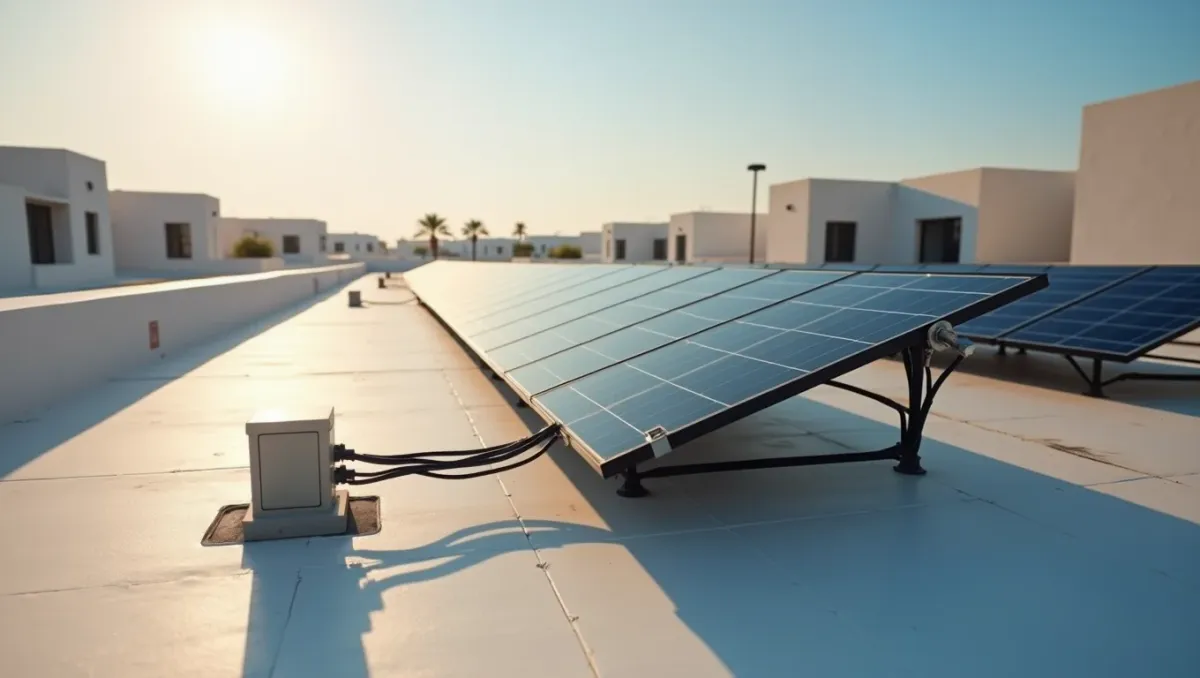
Living in the Kingdom of Saudi Arabia means embracing incredible sunshine. Every day, our rooftops—whether they are standalone villas or compounds in districts like Riyadh or Jeddah—catch a powerful resource that is both clean and abundant: solar energy. As KSA continues its ambitious journey toward energy independence under Vision 2030, bringing reliable solar power directly to homes is becoming more accessible than ever before.
But when you start researching residential solar systems, one term keeps popping up: "Net Metering." Understanding net metering Saudi Arabia regulations is crucial. It can sound confusing, but we are here to translate it for you. Our goal is simple: we want every homeowner to feel confident knowing exactly where their power comes from and how they can save money doing it.
Think of adopting solar power as finally taking control of your energy destiny, rather than simply paying the monthly bill that feels like a yearly commitment, especially when running air conditioning through the intense summer heat. Understanding net metering is the key to unlocking the full financial potential of your rooftop system.
What is Net Metering? A Simple Explanation for Homeowners
At its core, net metering is an accounting mechanism designed to make solar power work seamlessly with the existing electrical grid managed by utilities like local providers. It’s not just about generating electricity; it's about managing and crediting every single kilowatt-hour (kWh) of that energy.
The Concept Explained
In a standard home setup, the utility provider sends power to your compound through underground or overhead lines—this is the electrical grid. When you install solar panels, these modules convert sunlight into usable electricity. This process involves specialized components:
- Solar Panels (Photovoltaic Modules): These are the physical collectors that capture photons and convert them directly into Direct Current (DC) electricity.
- Inverter: Think of your solar inverter like the translator between your panels and your home. The panels produce DC power, but almost every appliance in your villa—from lights to AC units—runs on Alternating Current (AC). The inverter’s job is to constantly translate the DC electricity into usable AC electricity for your household.
- The Grid Connection: This is the connection point back to the utility provider's electrical network, allowing safe energy exchange.
Now, here is where net metering comes in. Imagine a perfect sunny afternoon when irradiance levels are at their peak. Your solar panels are working overtime, generating more electricity than your home actually needs—enough to run the air conditioning and charge devices during the intense heat. What happens to that excess power? Net metering allows you to send that surplus energy back out onto the utility grid. The utility provider measures this export of clean power and gives you a credit on your electricity bill. Conversely, when the sun sets, or if a sudden storm temporarily dims your panels, your solar system safely draws any needed power from the utility grid. Net metering ensures that you are always buying and selling power relative to each other.
Understanding Power Flow: Your Solar System's Interaction with the Grid
Understanding the flow of power is crucial because it determines how much money you save. We can simplify this interaction into three distinct scenarios that repeat every single day:
Scenario 1: Peak Generation (The Sunny Afternoon)
It’s midday, and the sun is blazing down on your villa rooftop, utilizing KSA's high solar resource potential. Your panels are generating power rapidly. You run your air conditioning and charge your car—that's what you use. The excess energy that flows through the inverter is safely measured by a specialized bi-directional meter and exported back onto the public utility grid. This action creates a credit for you.
Analogy Check: Imagine your home’s electricity needs are like having enough water to fill a bathtub. The sun fills it up faster than you can use it. Net metering lets you overflow that excess water into a communal reservoir (the grid), knowing you get credit for every gallon dumped in.
Scenario 2: Nighttime or Low Generation (The Sunset)
As dusk falls, the sun sets behind the horizon, and your panels generate very little power. Your home still needs electricity to run lights and appliances. Because of your grid connection, you don't suffer an outage! Instead, the system automatically recognizes the shortfall and seamlessly begins drawing the required amount of AC power from the utility provider’s lines.
Scenario 3: The Perfect Balance (Optimal Day)
Sometimes, the generation perfectly matches consumption. You use exactly what you make. In this ideal situation, your net usage is zero, meaning your solar system is fully self-sufficient for that period of time.
The utility company doesn't charge you for electricity; instead, they track the difference between what you consume from them (the import) and what you send back to them (the export). This continuous monitoring is the magic behind net metering’s efficiency. The regulations governing this process are constantly evolving as part of KSA’s drive toward greater energy self-sufficiency.
The Financial Advantage: Maximizing Savings and Calculating Potential ROI in KSA
So, if you send power out and pull power back in, how does that translate into savings on your bill? This is where the financial advantage of net metering truly shines. It moves the conversation from simply "reducing bills" to potentially achieving maximum self-consumption and a rapid return on investment (ROI).
How Savings are Calculated
Under a net metering arrangement, you receive credit for the excess kWh you export during the day. This credit effectively offsets the amount of kWh you must purchase from the utility provider at night or on cloudy days. The goal is to minimize your reliance on buying power.
The concept of ROI (Return on Investment) here means figuring out how quickly the savings generated by the solar system pay back the initial investment in the equipment and installation. By maximizing self-consumption through net metering, you are accelerating that payback period dramatically. Instead of just saving money, you are building energy resilience into your compound.
The Power of Self-Consumption
In a place like Saudi Arabia, where electricity costs can be significant and the heat demands constant air conditioning usage (a major power consumer!), maximizing self-consumption is paramount. The more energy you use directly from your panels—the more you are "self-consuming"—the less you pay to the utility provider.
Understanding local regulations regarding solar self-consumption in Saudi Arabia, and who manages these programs (typically national or specialized utilities), requires localized advice because schemes can vary between different utility zones. However, the principle remains constant: net metering allows your clean energy credits to accumulate over time, keeping your overall electricity expenditure low.
What Net Metering Means For You
For the homeowner in KSA, net metering provides certainty and predictability. It transforms a massive utility expense—the monthly bill that can feel overwhelming when AC is running constantly—into a manageable, predictable expenditure based on your actual usage patterns. It turns sunlight, which is abundant across the Kingdom, into tangible financial savings.
You are not just installing panels; you are investing in an energy hedge against rising utility costs and contributing directly to the sustainability goals of the Kingdom. The flexibility that net metering offers means your solar system works as a smart partner with the grid, rather than fighting against it.
Is Net Metering Available? Navigating the Requirements and Next Steps in KSA
While the vision for residential solar is incredibly bright, navigating the actual requirements can feel like crossing through a maze of paperwork. Because utility regulations in Saudi Arabia are evolving rapidly as part of Vision 2030, understanding the specific local grid connection rules from the local provider or your area's relevant authority is absolutely vital.
The Process Overview
Since net metering eligibility and associated programs vary between different utility provider zones (for example, a major city district might have different rules than an industrial compound near Jubail), there is no single universal answer. The process generally involves several key steps:
- Initial Assessment: Determining if your villa's structure and electrical capacity are suitable for solar installation.
- Utility Inquiry: Contacting the local utility provider responsible for your area to inquire about their current net metering policies, interconnection agreements, and technical standards. This step confirms if your specific location qualifies for the program.
- System Design and Approval: Working with qualified engineers who design a system that meets all local codes and submit detailed plans (including inverter specifications) for official approval from the utility.
- Installation and Inspection: The physical installation of panels, inverters, and the bi-directional meter. A final inspection ensures everything operates safely and according to approved standards.
The key takeaway here is that while net metering provides the financial incentive, adhering strictly to the local utility’s technical requirements—especially regarding grid safety and interconnection points—is mandatory for a successful installation.
Your Action Plan
To move forward confidently and understand your specific eligibility in Saudi Arabia, take these three simple steps:
- Assess Your Consumption: Gather your last 12 months of electricity bills. Understanding your average kWh consumption profile (peak usage times vs. off-peak) is the most important piece of data needed for accurate system sizing and financial modeling.
- Identify Your Utility Provider Zone: Know exactly which utility provider serves your address. Use this information when making initial inquiries, as local rules are paramount in every city from Jeddah to Dammam.
- Consult a Qualified Local Expert: Engage with an experienced solar professional who is fully versed in the current KSA energy regulations and can guide you through the technical requirements for net metering eligibility specific to your neighborhood.
Related articles
- Solar System Connection Guide: Understanding Utility Services in Saudi Arabia
- Solar Installation for Home: A Guide to Residential Solar in the Gulf
- Solar Panel Installation in Saudi Arabia: A Comprehensive Guide
- Choosing Reliable Solar Panel Suppliers in Saudi Arabia: A Homeowner’s Guide
- Finding Saudi Electricity Company Jobs: Career Guide to KSA's Green Energy Future
Explore topics: Saudi Arabia, Net Metering, Residential, Vision 2030



