
The Strategic Imperative: De-Risking and Optimizing Commercial Assets with Green Building Solutions in KSA
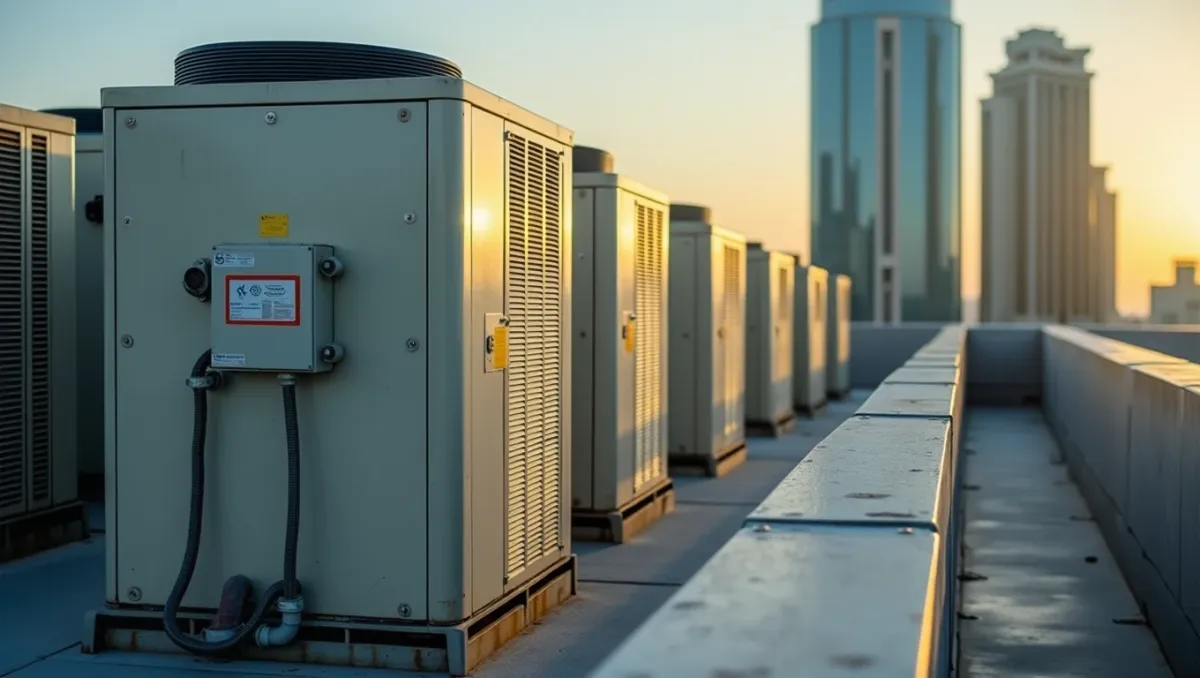
For decades, energy consumption has been viewed by commercial and industrial entities across the Gulf as a necessary operational expenditure—a fixed cost that must be managed. However, the landscape of mega-project development and national economic diversification mandates a fundamental shift in this perspective. The question for Gulf businesses is no longer whether to invest in solar or sustainable design; it is how quickly you can recover your capital and begin treating energy efficiency and sustainability as a competitive advantage rather than an overhead cost.
Saudi Arabia’s ambitious development goals, epitomized by Vision 2030, are not merely infrastructural projects—they represent a profound mandate for climate resilience and operational self-sufficiency. In this context, traditional construction methods that rely heavily on centralized, fossil fuel-based power grids introduce unacceptable levels of risk and volatility. Implementing comprehensive **green building solutions saudi arabia**, therefore, transitions from being an ethical choice to a core component of financial de-risking, guaranteeing predictable operating expenditure (OPEX) and future-proofing assets against escalating climate and energy price shocks.
This deep dive is structured for the commercial buyer and engineer who understands that true investment value lies in maximizing Return on Investment (ROI) while minimizing operational vulnerability. We examine how integrating sustainable practices—from advanced solar integration to sophisticated water management—moves a building from being merely occupied to being an asset class that generates strategic, long-term economic value.
What Defines Sustainable Design in the Gulf Context?
To define a green building solution for the Gulf region is fundamentally different from defining it for temperate climates. The primary challenge is not simply *adding* renewable energy; it is mitigating extreme thermal loads and managing peak demand within an arid, high-density commercial setting. A successful solution must be holistic—a synergistic blend of passive design principles, active mechanical systems, and localized power generation.
Addressing the Primary Energy Drain: Thermal Load Management
The most significant operational drain in Gulf mega-structures is cooling load. The extreme desert heat, especially during summer peaks approaching 50°C, necessitates massive amounts of mechanical refrigeration, creating immense dependency on grid electricity. Traditional designs treat cooling as a singular utility input; advanced sustainable design recognizes it as the primary point of energy vulnerability.
- Passive Design Integration: A truly sustainable approach starts before any power system is installed. Passive strategies—such as optimized orientation (minimizing east/west exposure), deep shading elements, high-performance glazing, and strategic use of thermal mass—are non-negotiable first steps. These methods reduce the initial heat ingress, allowing mechanical systems to operate at a lower capacity for longer periods, directly reducing both energy consumption and associated operational costs.
- High-Efficiency Envelope: The building envelope (walls, roof, windows) must be treated as an active component of the system. Utilizing advanced insulation materials and air-sealing techniques minimizes thermal transfer, ensuring that the mechanical systems are only working to counteract unavoidable heat gain, dramatically improving overall Coefficient of Performance (COP).
The Shift from Consumption Mitigation to Resource Generation
In a green building context, the goal shifts from merely mitigating energy consumption to achieving localized resource generation. This means treating the rooftop and façade not just as structural elements, but as active power arrays. The system must be designed for grid-agnostic operation during peak times, enhancing both operational continuity and overall asset resilience.
Core Components: Energy, Water, and Materials for Sustainable Design
A modern commercial development requires an integrated utility model. No single technology can solve the challenge; success relies on treating energy, water, and materials as interconnected systems governed by lifecycle cost analysis.
1. Energy Systems: Maximizing Distributed Power Generation
The integration of solar photovoltaic (PV) power must be conceived at the design stage, not appended later. This requires addressing the entire electrical load profile—from low-voltage lighting to high-current industrial machinery (3-phase loads), compatible with local utility standards.
- Building Integrated PV (BIPV): BIPV is critical for maximizing usable surface area. By embedding solar generation into façade elements, curtain walls, and roofing materials, the system generates power while fulfilling a structural requirement. This maximizes energy harvest per square meter of building footprint in commercial districts like those found in Riyadh or Jeddah.
- Energy Storage and Peak Shifting: Given the volatile nature of peak cooling loads (often coinciding with high solar irradiance), large-scale battery storage systems are essential. These batteries allow the facility to store excess daytime generation and discharge it during critical evening peak hours, drastically reducing reliance on grid power and lowering demand charges from the utility provider. This capability is fundamental to energy security.
- Optimizing Industrial Loads: For commercial buildings housing industrial or data center operations in areas like Jubail or KAEC, the PV system must be sized not just for average consumption, but specifically to manage high-demand 3-phase loads efficiently. The design must factor in redundancy and modular scalability to accommodate future capacity increases without necessitating a complete overhaul of the electrical infrastructure.
2. Water Conservation Technologies: Closing the Loop
Water scarcity is perhaps the most critical limiting resource across the Kingdom. Green building solutions mandate moving away from linear consumption models toward closed-loop utility cycles.
- Greywater Recycling Systems: Implementing advanced filtration and treatment systems to capture greywater (from sinks, showers, and cooling tower runoff) allows for its immediate reuse within the property. This reclaimed water is ideal for toilet flushing and, crucially, for irrigation needs, significantly reducing potable water demand from municipal sources.
- Xeriscaping and Efficient Landscaping: Landscape design must be highly localized and climate-appropriate (xeriscaping). Selecting native, drought-resistant flora minimizes the need for supplemental irrigation around commercial compounds. Furthermore, implementing smart sensor-based drip irrigation systems ensures that water is delivered precisely where and when it is needed, preventing waste associated with traditional sprinkler methods.
3. Low Embodied Carbon Materials
The materials used in construction carry an embedded energy cost—the emissions generated from extraction, manufacturing, transport, and installation. Sustainable design requires prioritizing local sourcing and low-carbon alternatives. This includes utilizing regional aggregates and structural components that reduce the carbon footprint associated with global supply chains, thereby mitigating Scope 3 emissions for the developer.
From Concept to Certification: Integrating Sustainable Solutions into KSA Development Cycles
The failure point for many sustainable projects is treating green features as ‘nice-to-have’ additions imposed late in the design cycle. For a solution to be financially viable and resilient, sustainability must be baked into the very first conceptual drawings—it must define the structural parameters.
Holistic Design Integration
The process requires specialized collaboration between mechanical engineers, electrical consultants, architects, and resource managers from Day One. When integrating solar PV, for instance, the architect must design roof structures that can handle the added load of BIPV panels and mounting hardware, while the electrical engineer simultaneously models the optimal placement of storage units to ensure minimal visual impact and maximum power throughput.
Navigating Standards and Governance
The market is governed by both international benchmarks (such as LEED) and national mandates. Understanding these standards is not just about achieving a certification badge; it provides a validated framework for performance metrics, risk assessment, and investment assurance. These frameworks force the developer to systematically evaluate operational efficiency across all utility vectors.
For mega-projects like those envisioned in NEOM or similar large-scale developments, the integration of renewables is paramount for achieving national energy independence goals. The design must account for complex grid stability requirements, ensuring that distributed generation sources can seamlessly interface with centralized power infrastructure without compromising reliability during periods of high load fluctuation.
The Business Case: Evaluating ROI and Resilience for Modern Commercial Assets
Ultimately, the decision to invest in green building solutions is a financial one. The calculus moves beyond comparing initial Capital Expenditure (CAPEX) versus operational expenditure (OPEX). A comprehensive analysis must evaluate the Total Cost of Ownership (TCO) over a 20-to-30-year lifecycle.
Calculating ROI: Beyond Payback Period
While calculating the simple payback period on solar generation is straightforward, the true ROI of sustainable features lies in their compounding effects across multiple dimensions:
- OPEX Reduction: This is the most direct benefit. Reduced energy consumption due to passive cooling and localized power generation translates into predictable, lower utility bills year after year from providers like SEC or SEWA.
- Asset Valuation Premium: Buildings certified with high sustainability standards command a demonstrable premium in lease rates and sale value because they are inherently more attractive tenants for multinational corporations committed to their own ESG (Environmental, Social, and Governance) mandates.
- Carbon Credits and Incentives: As regulatory environments tighten globally, assets that proactively reduce carbon emissions will benefit from future tax incentives, green financing options, or the potential sale of carbon reduction credits.
Risk Mitigation and Operational Resilience
The greatest financial risk in traditional commercial real estate is energy price volatility coupled with climate change impacts (e.g., prolonged heatwaves causing grid strain). A decentralized, sustainable system acts as an insurance policy. By generating power on-site and managing critical loads through storage, the facility can maintain operational continuity—a value that far outweighs the initial investment in solar PV and battery storage.
Maintenance Planning and Lifecycle Costing
A strategic approach requires acknowledging that all systems require maintenance. The lifecycle cost analysis must account for:
- Predictive Maintenance: Implementing smart monitoring systems allows facility managers to move from reactive (fixing after failure) to predictive maintenance, optimizing the performance of PV inverters, HVAC units, and battery banks before they fail.
- System Degradation Modeling: The system must model the expected degradation rate of solar panels or batteries over time. This planning ensures that replacement cycles are budgeted for decades ahead, avoiding sudden, massive capital calls when components naturally reach end-of-life.
By viewing maintenance not as a cost center but as an essential function of maximizing uptime and efficiency, the business owner transforms potential operational downtime into predictable, manageable expenditure.
Key Takeaways
- Sustainability must be integrated at the conceptual design stage to achieve genuine utility synergy; it cannot be an add-on feature.
- The highest ROI comes from mitigating extreme regional risks (e.g., cooling load volatility in 45°C+ heat) through localized power generation and storage.
- A holistic TCO analysis, factoring in passive design, water recycling, and low-carbon materials, provides a superior financial model compared to simple energy cost reduction calculations.
- Future-proofing commercial assets requires achieving operational resilience—the ability to function effectively even when central utility grids face stress or outages.
Related articles
- Designing for Resilience: Principles of Green Architecture in the Arabian Gulf
- LEED Certification for Engineers: Achieving Sustainable Design in the Gulf
- Mastering Green Building in Saudi Arabia for Energy Resilience
- Sustainable Building Saudi Arabia: A Strategic Playbook for Commercial Investment
- Achieving the Highest Level of LEED Certification in the Gulf
Explore topics: Green Building, Saudi Arabia, Energy Efficiency, Solar Panels
The information in this article is for educational purposes only. Always verify specifications, availability, and suitability with a qualified supplier or engineer before making purchasing or installation decisions.



