
Zero Energy Buildings (ZEB) in KSA: Achieving Operational Resilience and Sustainability: zero energy building KSA
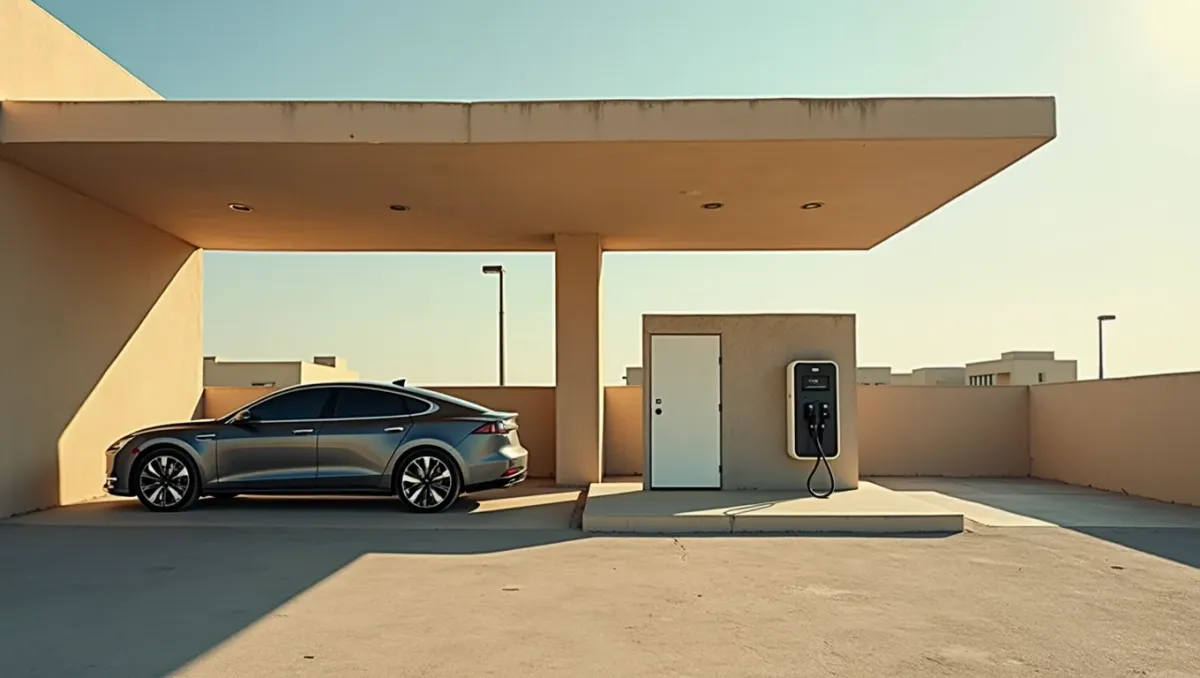
For commercial and industrial businesses operating in Saudi Arabia, the question is no longer whether to invest in solar—it is how quickly you can recover your capital and begin treating energy as a competitive advantage rather than an overhead cost. In the context of large-scale developments within the Kingdom, achieving true operational resilience demands moving beyond mere utility compliance toward deep, integrated performance standards. This shift requires understanding the technical rigor of Zero Energy Buildings (ZEB). For developers building compounds or industrial facilities in cities like Jubail, KAEC, and NEOM, ZEB is not a sustainability checklist item; it is a fundamental requirement for operational excellence and long-term economic viability.
We provide an expert deep dive into the architecture, technology stack, and financial rationale required to embed Zero Energy Building KSA principles into large-scale commercial and industrial portfolios across the GCC.
What Exactly is a Zero Energy Building? Defining the Standard
To understand the strategic value of adopting ZEB standards, one must first distinguish between common green building labels and true energy performance metrics. The terms "green," "sustainable," or even "Net-Zero" are often used interchangeably in public discourse, but technically, they represent different levels of commitment.
ZEB vs. Net-Zero: A Technical Distinction
A Zero Energy Building (ZEB) is defined by its energy balance: the total amount of renewable energy generated on site must equal or exceed the total annual energy consumed by the building's operational loads over a specific period. This requires an integrated, system-level approach.
- Net-Zero Energy (NZE): Generally means that a building’s annual energy consumption is balanced by renewable sources, but it can sometimes relate to seasonal or localized balancing rather than absolute total energy equivalence.
- Zero Energy Building (ZEB): Represents the highest standard of performance for zero energy building KSA projects, demanding meticulous integration where every watt consumed—from HVAC and lighting to industrial machinery—must be accounted for and offset by on-site renewable generation, typically solar PV.
From a business perspective, pursuing ZEB status mandates an operational mindset: reducing demand first, then meeting the remaining load with optimized renewables. This disciplined approach fundamentally de-risks operations by decoupling them from volatile utility grid prices and geopolitical energy supply risks faced within the GCC.
The Pillars of ZEB Design: From Passive Cooling to Active Power Generation
Achieving ZEB status is not achieved through a single technology; it requires the synchronous integration of three core pillars. The design process must be fundamentally holistic, viewing the building as an optimized energy ecosystem rather than simply adding solar panels to an existing structure.
Pillar 1: Hyper-Efficiency Envelope Engineering (Minimizing Demand)
The most critical—and often overlooked—pillar is radical demand reduction. In the extreme climate of the Gulf, where cooling loads are massive and temperatures routinely exceed 45°C during summer peaks, the building envelope dictates performance. This involves moving beyond standard construction practices to implementing:
- High-Performance Insulation and Glazing: Utilizing specialized materials in walls and roofs that minimize heat transfer (low U-values). Optimized glazing reduces solar heat gain while managing necessary daylighting, crucial given the intense sun exposure.
- Thermal Mass Management: Designing structures that utilize internal thermal properties to stabilize indoor temperatures, reducing the immediate load on mechanical systems and mitigating the effects of rapid external temperature swings.
This focus ensures that when active power generation is implemented, it is addressing a minimized and optimized baseline load.
Pillar 2: Optimized Passive Strategies (Smart Design)
Passive design techniques leverage local climate patterns to reduce reliance on mechanical HVAC systems, which are typically the largest energy consumers in the region. For KSA, where solar irradiance is high, passive strategies include:
- Shading and Orientation: Orienting compounds and structures and employing external shading elements (brise-soleils) to block high-angle summer sun while maximizing diffuse daylight during cooler months.
- Natural Ventilation Pathways: Designing air circulation paths that utilize stack effect or prevailing breezes where feasible, thereby pre-cooling spaces before mechanical intervention is needed, a critical consideration in arid zones like Riyadh and Jeddah.
Pillar 3: Advanced Mechanical and Electrical Systems (Controlled Consumption)
The remaining loads must be handled by systems designed for maximum efficiency. This involves:
- High-Efficiency HVAC Integration: Employing variable refrigerant flow (VRF) or chilled beam systems connected to advanced controls that modulate output based on real-time occupancy and external temperature readings, rather than running at fixed capacity.
- Smart Lighting and Controls: Utilizing daylight harvesting sensors and high-efficiency LED systems tied into a centralized Building Management System (BMS).
Implementing ZEB in KSA: Technology Deep Dive (Solar, Storage, Efficiency)
The transition to ZEB standards requires robust technology solutions capable of handling the unique demands of the Gulf region—specifically massive cooling loads and intense solar irradiation. The technical stack must be designed for commercial-scale reliability under Saudi Electricity Company (SEC) guidelines.
Large-Scale Solar PV Integration
For Commercial & Industrial (C&I) applications, large arrays are paramount. Rooftop integration is critical to maximizing usable space while ensuring predictable energy generation. When planning the system size, engineers must calculate not just the peak power (kW) but the total annual energy yield (kWh/m²/day). The optimal sizing of the solar array must match the optimized residual load after all efficiency measures have been applied.
These arrays are designed to feed into a robust, three-phase electrical infrastructure capable of handling industrial loads and fluctuating power demands, adhering to local voltage standards. A comprehensive Solar System Installation Guide in Saudi Arabia is essential for planning the optimal layout.
Advanced Battery Energy Storage Systems (BESS)
Given the intermittent nature of solar generation and the high demand variability in commercial settings, battery storage is non-negotiable for reliable ZEB operation. BESS serves several strategic functions:
- Peak Shaving: Storing excess daytime solar energy to discharge during evening peak consumption hours when grid power is most expensive or strained.
- Resilience and Backup: Providing immediate, stable power backup during utility outages, ensuring continuous operation for mission-critical industrial processes—a key risk mitigation factor for C&I clients in the Eastern Province.
- Grid Optimization: Participating in potential future virtual power plant schemes, offering ancillary services to the local grid operator.
The Role of Smart Controls and Load Management
The true intelligence of a ZEB lies not just in its components, but in how they interact. A sophisticated Building Management System (BMS) acts as the central nervous system, optimizing everything from HVAC staging to battery charging cycles. This allows for dynamic load management—for example, pre-cooling the building slightly during peak solar hours and then allowing mechanical systems to scale back when the grid is most constrained.
For industrial facilities, this control layer enables precise energy monitoring (tracking usage down to kW) which is crucial for identifying operational inefficiencies that could otherwise consume valuable generated power. Furthermore, developers should plan for integration with local net metering programs managed by SEC or relevant utility providers using a Net Metering Guide for Saudi Arabia.
The Business Case for Green Construction: ROI and Market Advantage in the GCC
When evaluating ZEB construction, it is imperative for investors and developers to look beyond the initial Capital Expenditure (CapEx). The financial narrative of green building is overwhelmingly driven by superior operational efficiency and reduced long-term risk.
Lifecycle Costing (LCC) vs. Initial Investment
While the upfront investment in ZEB technology—including specialized envelopes, BESS, and advanced controls—may carry a premium compared to conventional construction, this differential is quickly recouped through massive operational savings. A thorough LCC analysis demonstrates that these systems generate returns by:
- Minimizing Energy Operating Expenditure (OpEx): By generating energy on-site and drastically reducing reliance on purchased grid power, the largest variable cost component of facility management is controlled.
- Enhancing Asset Value: Buildings certified to high performance standards are increasingly seen as premium assets, attracting tenants who prioritize sustainability metrics—a growing trend in commercial real estate across Qatar and the UAE.
Risk Mitigation and Operational Continuity
The integration of localized generation (solar PV + BESS) fundamentally de-risks a facility’s operations. In regions prone to high tariff volatility, ZEB status guarantees operational continuity. For industrial clients, this reliability is not merely an amenity; it is mission-critical infrastructure required by the ambitious mega-projects envisioned under Saudi Vision 2030. Aligning with Saudi Vision 2030's green energy mandates ensures future market alignment.
Key Takeaways
- ZEB status represents a fully integrated energy balance (generation ≥ consumption), requiring system optimization across all building functions.
- The economic justification for ZEB lies in superior Lifecycle Costing (LCC) and the mitigation of long-term operational risk associated with volatile utility pricing.
- Successful implementation requires prioritizing demand reduction through hyper-efficient envelopes before scaling up renewable generation capacity.
- Adopting these standards aligns commercial projects directly with national sustainability mandates, securing future market advantage in the GCC region.
Related articles
- Achieving the Highest Level of LEED Certification in the Gulf
- Best Cool Roof Tiles Brands for GCC and KSA: A Guide to Thermal Efficiency
- Cool Roof Technology in the Gulf: Solving Thermal Challenges for KSA Skylines: cool roof technology Gulf
- Decoding Green Investment: What Does LEED Certification Mean for Commercial Assets in the Arabian Gulf?
- Designing for Resilience: Principles of Green Architecture in the Arabian Gulf
Explore topics: Green Building
The information in this article is for educational purposes only. Always verify specifications, availability, and suitability with a qualified supplier or engineer before making purchasing or installation decisions.



