
How to Insulate a Building in KSA: A Comprehensive Guide for Energy Efficiency
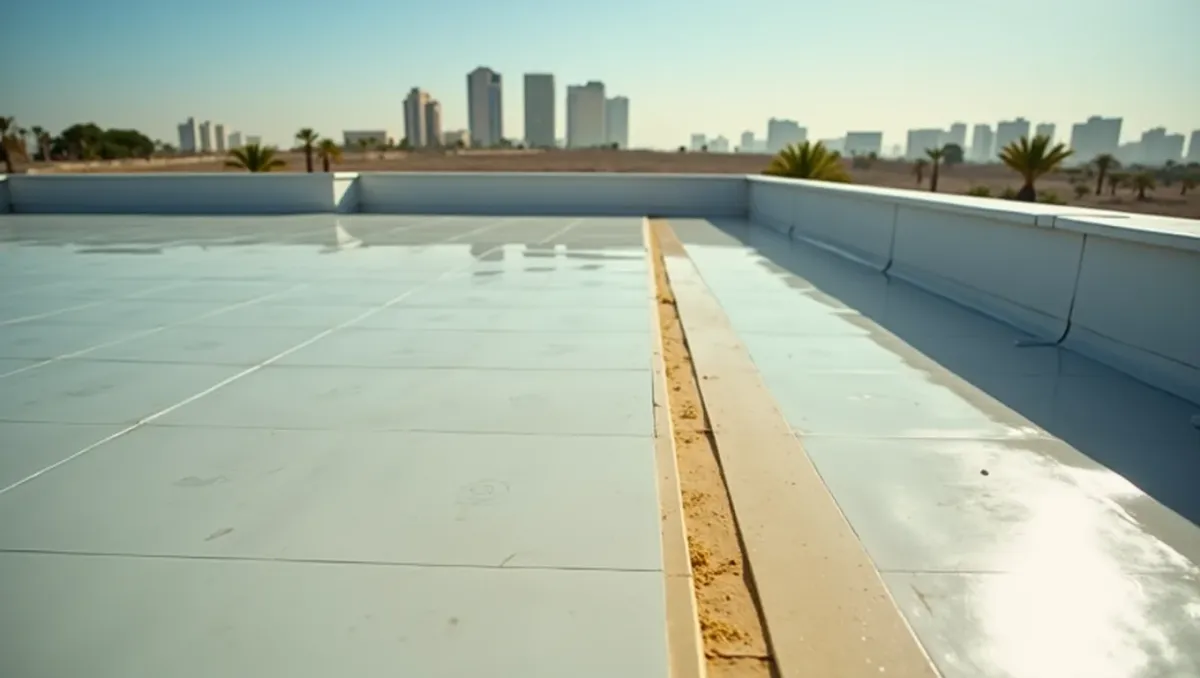
Living or working in the Kingdom of Saudi Arabia, whether it’s a sprawling modern villa compound or a bustling commercial district like those found in Riyadh or Jeddah, means operating under incredible solar energy. This intense sunlight powers our lives but also presents one of our greatest challenges: managing extreme heat.
If you are looking to improve your building's efficiency and reduce those sometimes staggering electricity bills from the Saudi Electricity Company (SEC), insulation is not just a suggestion; it is an absolute necessity. Many people think of insulation as a simple layer added to walls, but in the unique climate of the Arabian Gulf, it is a sophisticated system that fundamentally changes how your building interacts with its scorching surroundings.
Think of your home like a giant thermos flask designed for the desert: you want cool air inside and you don't want the heat from summer peaks (which can reach 50°C) trying to sneak in, or the conditioned air escaping when the AC unit cycles off. Insulation is what keeps that temperature stable, making your compound comfortable year-round while drastically cutting down on energy waste.
Why Building Insulation is Non-Negotiable: The Thermal Challenge of the Arabian Gulf
To understand why insulation is so critical here, we first need to talk about the thermal load challenge. In simple terms, a building constantly tries to reach equilibrium with its surroundings. If your structure has weak points—like uninsulated roofs or poorly sealed walls—the intense heat gain from the sun and the ambient 45°C+ air will force your air conditioning (AC) units to work overtime just to keep up.
The Arabian Gulf climate is characterized by extreme diurnal temperature swings. Coupled with high solar irradiance, this creates a continuous battle against overheating inside your structure, especially during intense periods like haboob storms.
When we talk about "thermal bridging," we are referring to points in the building's envelope (the outer shell) where heat can easily bypass the insulation. Picture running a hand along an uninsulated concrete column on a scorching afternoon; that spot is a thermal bridge—a direct path for unwanted heat transfer. These bridges drastically reduce the effectiveness of otherwise excellent insulation.
This challenge is especially pronounced in Gulf buildings. Historically, many structures relied only on visible finishes, often neglecting underlying layers. Because of this, many residential and commercial compounds across the region lack adequate thermal insulation, leading to high cooling demands that contribute significantly to national electricity consumption. By addressing these fundamental weaknesses, we are not just making your building cooler; we are contributing directly to energy resilience across our communities.
A Guide to Materials: Choosing the Right Insulation for Your Climate and Budget
Just like choosing the right clothing for a desert night versus an oasis day, selecting the correct insulation material depends on your specific structure, local challenges (like fine desert sand ingress), and budget. The goal is always high performance in arid, high-heat environments.
Understanding Insulation Types
Insulation works by trapping pockets of still air or gas within a matrix that resists heat flow. Different materials achieve this in different ways:
- Mineral Wool: This material is typically made from spun rock or slag fibers. It performs very well at resisting fire and can be installed in batts (pre-cut sections) within wall cavities or between structural beams. Because it is non-combustible, it offers peace of mind regarding safety.
- Spray Foam: This is a liquid material that expands into a solid, airtight barrier. It seals gaps and cracks incredibly well—something vital in the Gulf where dust can find tiny entry points. When properly applied, it creates a continuous seal that resists both heat transfer and air leakage, which are two different but related problems.
- Polystyrene (EPS/XPS): These materials come in rigid board forms. They are excellent for insulating solid surfaces like under floors or against the exterior of walls. Their strength makes them suitable where structural support is also needed, such as foundations for a large commercial complex.
Considering Performance vs. Durability
In our harsh environment, durability is as important as the R-value (a measurement of how well an insulation resists heat flow—the higher the number, the better). When choosing materials, you must consider:
- Vapor Permeability: This relates to how easily water vapor moves through the material. Since humidity can fluctuate wildly in the Arabian Gulf, the chosen system needs to manage moisture effectively without trapping dampness that could lead to structural issues over time.
- Dust and Pest Resistance: Because of the arid climate and frequent haboob storms, materials must be sealed properly. Spray foam excels here because it creates an impenetrable barrier against fine desert particulate matter.
When you factor in these environmental stressors, a comprehensive approach—often combining different types of materials for specific zones—is usually the most effective solution.
Optimizing Key Areas: Roofs, Walls, and Floors for Maximum Efficiency
If insulation were a car engine, you wouldn't just replace one part; you would optimize the entire system. The same applies to your building. To maximize efficiency gains and achieve the best return on your investment, we must prioritize areas where heat gain is most severe.
The Roof: Your Building’s Primary Heat Collector
Hands down, the roof is often the biggest source of heat transfer in a Gulf villa or commercial structure. The intense solar radiation hitting the exposed surface converts massive amounts of light energy directly into thermal energy. Without proper insulation beneath it, this heat radiates downward through the ceiling space and into your occupied areas.
For roofing systems, we typically look at creating an insulating layer separated from the actual waterproofing membrane. Using dense mineral wool or specialized rigid boards placed in a ventilated air gap is highly effective. This design minimizes heat transfer while also allowing trapped hot air to escape, which is key for maintaining internal comfort levels.
External Walls: The First Line of Defense
While some local construction practices might focus only on insulating the outer walls and windows, this needs to be done comprehensively. External walls are the main point of contact between your conditioned indoor air and the scorching outdoor environment. If these walls aren't insulated, they act like giant heat sinks, constantly drawing energy into your home.
Here, materials that can be applied directly over or within the existing structure—like thick mineral wool batts or a continuous spray foam application—are excellent choices because they provide both R-value (heat resistance) and air sealing. Proper insulation here drastically reduces the load on your AC units.
Floors and Foundations: Preventing Ground Heat Transfer
The ground beneath us, while sometimes cooler than the air, still transmits heat upward, especially during extreme daytime temperature swings. For both residential slabs and commercial floors in industrial cities like Jubail, insulating the underside of the floor slab (the foundation) is crucial. This prevents "crawlspace cooling," where cool air leaks up from below or hot air gets trapped within the structure.
Using rigid boards like XPS under a concrete slab provides a solid barrier, ensuring that the thermal envelope remains continuous from the foundation right up through to the roof. When every component—roof, wall, and floor—is sealed and insulated, you achieve what we call a "tight building envelope," which is the gold standard for energy efficiency.
What This Means For You: Practical Takeaways
For the homeowner or commercial developer operating in the GCC region, improving insulation is a proactive investment that yields immediate and measurable returns. It moves you from simply coping with heat to actively controlling your environment.
- Comfort Over Cost: While insulation requires an initial outlay, think of it as buying stability. A well-insulated compound maintains consistent internal comfort levels, which is vital for occupant health during prolonged heatwaves and improves the quality of life in your villa or workplace.
- The HVAC Connection: The single largest energy consumer in most GCC buildings is the air conditioning system. Every degree of insulation improvement means your AC unit runs less often, less hard, and therefore consumes dramatically less electricity from SEC. It’s not just about saving money; it's about reducing strain on local power grids.
- Resilience: Insulation doesn't just save energy; it enhances resilience. In the face of rising global temperatures, a highly insulated building acts as its own climate buffer, protecting you from external fluctuations and maintaining structural integrity.
The Payoff: Calculating Energy Savings and Improving Building Resilience
The return on investment (ROI) for proper insulation is generally very high because the energy savings are consistent—every single day of the year. We can calculate this benefit by understanding how it reduces your overall thermal load.
Reducing HVAC Load
When you properly insulate, you dramatically reduce the amount of work required from your Heating, Ventilation, and Air Conditioning (HVAC) system. Instead of fighting a constant influx of desert heat through poorly sealed gaps or overheated roofs, the AC unit is only battling minor leaks—a much smaller battle.
In technical terms, energy consumption relates to power (P), voltage (V), and current (I). P = V × I. By improving insulation, we reduce the necessary capacity of the system required to maintain a set temperature, thereby reducing both the electrical load and the running costs associated with that load.
A professional assessment can pinpoint exactly how much energy (measured in kilowatt-hours, or kWh) you are currently wasting through poor insulation. The proposed insulation solution then provides a measurable reduction percentage for future years of operation, optimizing your consumption relative to local grid standards.
Beyond the Bill: Long-Term Value
Insulation also adds intangible value to your property. When considering the sale of a high-performance villa or commercial unit, energy efficiency is becoming a premium feature. It signals that the building owner was thoughtful about sustainability and long-term operational costs, aligning with regional visions for energy diversification.
Ready to Take the Next Step? Three Simple Actions
- Conduct a Thermal Audit: Before buying any material, hire an engineer who specializes in building envelopes. They will perform a blower door test and infrared scan to pinpoint exactly where your home is leaking heat or air (identifying those thermal bridges).
- Prioritize the Envelope: Focus initial efforts on insulating the roof structure first, followed by external walls. These two elements provide the biggest single gains in reducing peak cooling load.
- Consult for System Integration: Don't just buy insulation; consult with a team that integrates insulation *with* your AC system and building design. They will ensure the materials chosen are compatible with local humidity levels, dust ingress, and structural requirements.
Related articles
- Addressing Asbestos and How to Cool Roofs in the Arabian Gulf
- Choosing Cool Roof Tiles for Terraces and Compounds in KSA
- Designing for Resilience: Principles of Green Architecture in the Arabian Gulf
- Advanced Detailing for Energy Resilience: Creating Dimensionally Accurate Insulation Hatches in KSA
- Is High Efficiency HVAC Worth It? A Guide for Gulf Homeowners
Explore topics: Energy Efficiency, Saudi Arabia, Passive Cooling
The information in this article is for educational purposes only. Always verify specifications, availability, and suitability with a qualified supplier or engineer before making purchasing or installation decisions.



