
Optimizing Building Insulation Saudi Arabia for Commercial Energy Efficiency
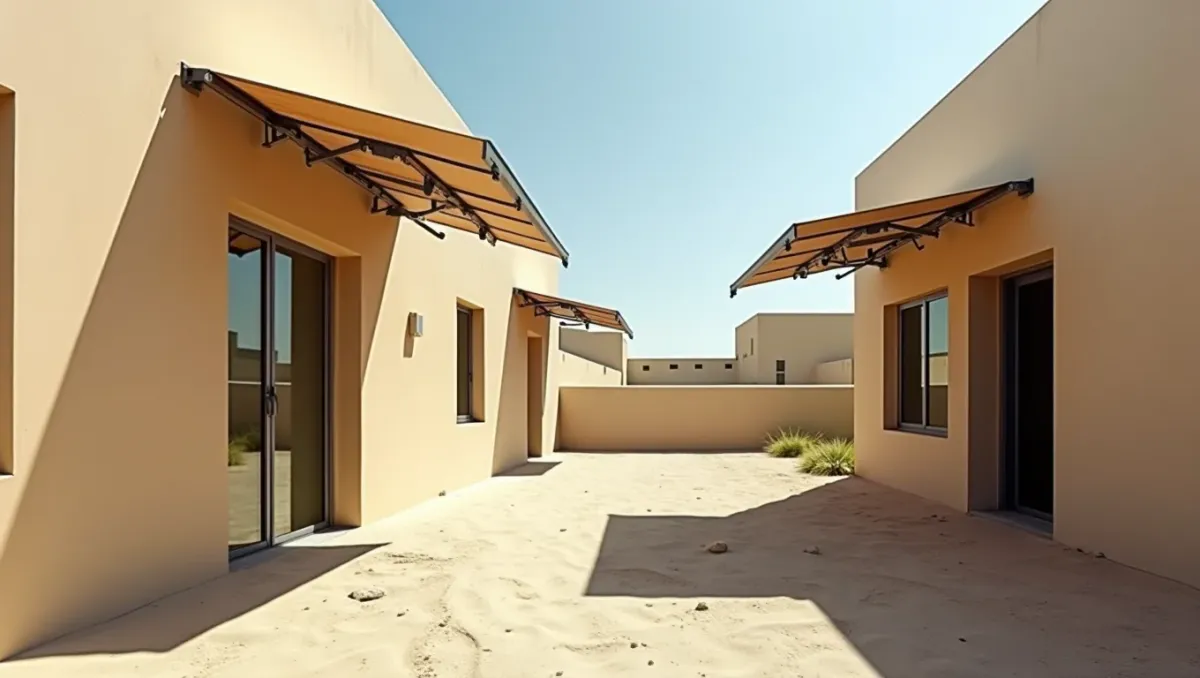
Businesses operating across the Arabian Peninsula must prioritize energy efficiency. When considering building insulation Saudi Arabia, optimizing the building envelope is crucial to transforming energy management from a simple utility concern into a core pillar of operational risk management. As commercial and industrial operations scale up across the Kingdom of Saudi Arabia (KSA) and neighboring GCC markets, managing thermal performance has become critical for financial resilience in cities like Jeddah, Riyadh, and the Eastern Province.
For commercial buyers managing high-density industrial loads or sophisticated office facilities, every watt consumed represents capital expenditure that could be better allocated to growth initiatives. By treating thermal leakage not just as an inefficiency but as a measurable drain on operational budget, businesses can strategically plan deep retrofits and new builds that dramatically enhance sustainability performance while guaranteeing predictable energy costs for decades.
Why Superior Insulation is Non-Negotiable: Tackling the Extreme Heat Load of the Gulf
To understand the necessity of superior insulation in the Arabian Gulf, one must first appreciate the unique thermal environment. This is not merely a matter of hot weather; it involves surviving massive and sustained temperature differentials between ambient air (which routinely exceeds 45°C, peaking near 50°C), intense solar irradiance, and the desired conditioned interior space.
The Operational Challenge of Extreme Thermal Loads
The climate profile of the region mandates that any commercial structure must be designed to withstand extreme heat loads. The intense solar radiation reaching building surfaces—particularly those exposed on roofs and large facades—causes significant thermal gain. This energy transfer, which is fundamentally uncontrolled unless mitigated, forces HVAC systems to operate at maximum capacity continuously.
When a facility’s envelope fails to resist these external pressures, the result is not just discomfort; it translates directly into skyrocketing operational expenditure and reduced asset lifespan. Furthermore, exposure to fine desert sand and saline coastal air accelerates material degradation. From an investment perspective, high cooling loads create predictable financial risk. The longer a building operates under stress from thermal leakage, the faster its energy budget erodes. By contrast, treating insulation as proactive capital protection—a shield against fluctuating utility rates and climate extremes—fundamentally de-risks the asset's operating model.
Understanding Thermal Transfer: The Science of Leakage
The building envelope is the skin of the structure, responsible for keeping conditioned air in and unconditioned heat out. Heat transfer occurs via three primary scientific mechanisms:
- Conduction: This is the transfer of heat through direct contact, such as heat moving through a solid wall material or roof deck. Materials with poor insulating properties (high thermal conductivity) allow rapid conductive heat flow from the hot exterior to the cool interior.
- Convection: This involves heat transfer through the movement of fluids (air). Poorly sealed gaps, penetrations around mechanical systems, and cracks in walls create pathways for superheated outdoor air—exacerbated by haboob storms—to infiltrate the building cavity or plenum space, significantly increasing the cooling load.
- Radiation: This is the transfer of energy via electromagnetic waves. The intense solar radiation hitting roofing materials converts vast amounts of light energy into heat that radiates back into the structure, elevating internal temperatures well above ambient levels and placing immense strain on HVAC equipment.
High-performance insulation does not eliminate these processes, but it strategically disrupts them. By creating a barrier with extremely low thermal conductivity, we minimize the rate of energy transfer, allowing the building to maintain its desired indoor climate using significantly less mechanical energy.
A Technical Look at Building Envelope Solutions: Choosing the Right Insulation Material
The concept of "insulation" is not monolithic. The choice of material must be highly customized based on the application (rooftop vs. wall), the available space, and the required R-value (thermal resistance). A blanket approach to insulation will fail to deliver optimal ROI.
Material Performance: Beyond Simple Cost Comparison
When evaluating materials for commercial applications in industrial cities like Jubail or KAEC, the consultant’s focus must move beyond initial material cost. The true metrics are R-value per inch, vapor permeability, and durability in extreme heat cycles and UV exposure. For arid environments like the Gulf, materials must be chemically stable under intense UV exposure and temperature cycling.
Comparative Material Considerations
- (e.g., XPS, Polyisocyanurate): These materials are exceptionally strong and suitable for continuous surfaces like roofing and horizontal walls. They provide predictable R-values and can be installed with precision, making them ideal for large industrial loads where dimensional stability is paramount.
- Spray Applied Foams: These offer a seamless barrier solution, effectively addressing both conduction and convection by filling every gap, crack, and penetration point in the building envelope. They are critical for achieving airtightness—a key element of modern energy efficiency that traditional materials cannot match. Their uniform application ensures consistent thermal performance across complex structures.
- Mineral Wool/Rock Batts: While excellent fire barriers and effective insulators, they require careful installation to prevent voids and may be less suitable than foam solutions in highly exposed industrial areas requiring maximum airtightness against high winds and fine desert sand infiltration.
The optimal solution is often a hybrid one—using spray foam for sealing the joints and edges (addressing convection) while utilizing rigid boards beneath the roof structure (addressing conduction).
Prioritizing Energy Savings: Optimizing Roofs, Walls, and Windows for Maximum Efficiency
Efficiency improvements must be prioritized based on where the largest thermal gains are currently occurring. For commercial assets in KSA, this prioritization is non-negotiable and follows a clear hierarchy.
1. The Critical Priority: Roofing Systems (The Heat Shield)
Roofs represent the single greatest vulnerability to solar heat gain. Due to the intense solar irradiance inherent to KSA’s climate profile (averaging 5.5-6.5 kWh/m²/day), roofing surfaces absorb massive amounts of energy during peak hours. This absorbed energy radiates downward into the occupied space, drastically inflating cooling loads and stressing HVAC equipment beyond optimal parameters.
The Business Outcome: Superior roofing insulation (often combined with high-reflectivity cool roofs) acts as a thermal break, preventing solar heat from penetrating the structure. By controlling radiant transfer at this level, you stabilize internal temperatures, allow HVAC systems to run more efficiently (and therefore less frequently), and significantly reduce peak electrical demand—which is crucial for managing utility tariffs set by SEC.
2. Structural Walls: The Containment Barrier
While roofing is paramount, the vertical walls serve as the primary containment barrier against lateral heat transfer. Commercial buildings often have complex wall assemblies involving multiple materials (concrete, curtain wall glass, cladding). Insulation must be integrated into these structural elements to ensure continuous thermal breaks.
The Technical Mandate: The goal is not just filling a void; it is creating a monolithic, high-performance barrier. This requires meticulous detailing around every junction—where the roof meets the wall, where the wall meets the floor slab, and around all utility penetrations.
3. Windows and Glazing: Managing Visible Light and Heat
Windows are often cited as necessary aesthetic elements, but they can be catastrophic thermal leaks if improperly handled. Standard single-pane glass transmits not only heat (via conduction) but also visible light energy that contributes to internal heat gain and glare.
The Strategic Solution: The focus must shift to high-performance glazing systems. This includes specifying low-emissivity coatings, using double or triple pane units, and optimizing the window-to-wall ratio based on solar orientation. By controlling the Solar Heat Gain Coefficient (SHGC) of the glass, commercial assets can maximize daylighting while minimizing unwanted heat transfer.
Lifecycle Cost Integration: Maintenance and Longevity
When planning for insulation retrofits or new construction, maintenance planning must be included in the initial investment model. Selecting high-quality, durable materials minimizes future service disruptions. For instance, choosing robustly sealed foam systems over less resilient alternatives reduces the likelihood of moisture intrusion or degradation from pests or temperature fluctuations caused by saline coastal air, thereby extending the overall operational life of the entire building envelope and safeguarding capital value.
The Business Case for Better Insulation: From Energy Savings to Higher Asset Value
Insulation is not simply an energy expenditure; it is a strategic investment in asset resilience. The financial modeling required for these projects must pivot entirely around calculating avoided costs, which far surpass the initial material and installation outlay.
Quantifying Return on Investment (ROI) Through Energy Reduction
The most direct metric of ROI is the reduction in HVAC energy consumption. By improving insulation, you are effectively lowering the baseline load requirement for your facility's largest operational expense: cooling. If a poorly insulated building requires 10 units of energy input to maintain comfort, and superior insulation reduces that required input to 7 units, the saved energy (3 units) translates directly into reduced utility bills. Furthermore, facilities utilizing advanced systems can maximize savings through efficiency programs offered by SEC.
This reduction is multiplicative across an entire year of operation. When considering commercial-scale operations—those running high industrial loads or massive office complexes with continuous 3-phase power requirements—even a marginal percentage improvement in efficiency leads to substantial millions in cumulative savings over the asset's lifespan. This predictable cost containment allows facility managers to forecast budgets with greater certainty, which is invaluable for long-term financial planning.
The Strategic Alignment with Regional Mandates and Sustainability Goals
Global trends, and regional mandates such as Vision 2030’s emphasis on energy security and carbon neutrality, are rapidly making high building efficiency a prerequisite for market access and premium asset valuation. Commercial buyers who proactively implement superior insulation strategies across their compounds or industrial facilities are positioning their assets at the forefront of sustainable development.
This commitment to operational efficiency translates into an intangible but powerful advantage: increased property value. Buildings certified or proven to operate with best-in-class energy performance command higher lease rates and sale prices because they minimize future operating risk for tenants and owners alike. Efficiency becomes a core component of the asset's premium valuation.
Conclusion: Insulation as Competitive Advantage
Ultimately, adopting advanced insulation protocols is not merely about passing an energy audit; it is about restructuring the operational cost base of the entire facility. By mitigating thermal leakage at the source—the building envelope—businesses stabilize their most volatile expense (energy) and free up capital to reinvest in growth, technological upgrades, or expansion within key economic hubs like the Eastern Province.
Key Takeaways
- Prioritize the Envelope: Treat roofing systems as the primary vulnerability point due to intense solar irradiance (Saudi average of 5.5–6.5 kWh/m²/day); superior insulation here yields the highest immediate ROI.
- Focus on Airtightness: Beyond material selection, achieving airtight seals using specialized methods (like spray foam) is critical for eliminating convective leaks around all penetrations and joints.
- Insulation is Risk Mitigation: View high-performance insulation as a financial hedge against fluctuating energy prices and extreme climate cycles, guaranteeing operational predictability in the face of 50°C+ temperatures.
- Holistic Optimization: True efficiency requires coordinating solutions across the entire envelope—roofs, walls, windows, and structural joints—to achieve maximum thermal performance and maintain asset value.
Related articles
- Achieving Optimal HVAC Efficiency in the Gulf: Cooling Strategies for Commercial Assets: HVAC efficiency Gulf
- Comprehensive Energy Audit KSA: Optimizing Your Commercial Facility's Efficiency
- LED Lighting Commercial KSA: Maximizing Asset Value and Energy Efficiency
- Optimizing Building Envelopes: A Strategic Guide to Insulation Performance for Commercial Structures in the Arabian Gulf
- Optimizing Home Comfort: Heating Efficiency in the Arabian Gulf Climate
Explore topics: Renewable Energy
The information in this article is for educational purposes only. Always verify specifications, availability, and suitability with a qualified supplier or engineer before making purchasing or installation decisions.



